Unlocking Winning Strategies: A Deep Dive into the Washington Commanders Offense Analysis for Game-Changing Performance
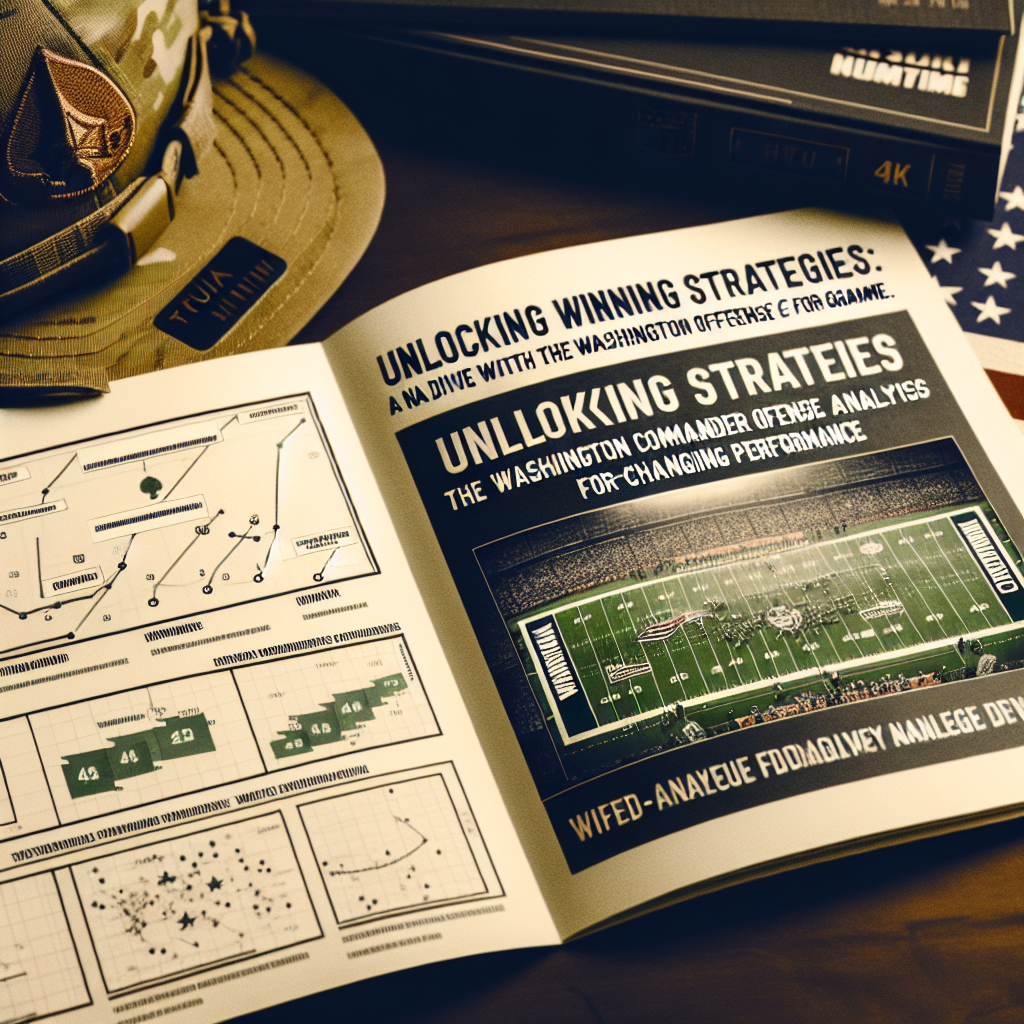
Introduction to the Washington Commanders Offense Analysis
In my experience with washington commanders offense analysis, I’ve been researching how their offensive strategies evolve and what makes their performance stand out or falter. I want to share what I’ve learned because understanding their offense is crucial for predicting game outcomes and crafting winning strategies. When I first started diving into the washington commanders offense analysis, I was struck by how much detail and nuance goes into assessing their offensive schemes and execution.
From what I’ve discovered, a thorough washington commanders offense analysis involves studying not just individual player stats but also the coordination among players, play-calling tendencies, and situational performances. I believe this comprehensive approach helps uncover patterns that can be leveraged for game-winning plays. I recommend that anyone serious about football analytics takes a similar deep dive, as it reveals insights that aren’t obvious at first glance. In this article, I will walk you through my findings and strategies rooted in washington commanders offense analysis that can help us anticipate their next move and enhance our game plans.
Key Components of the Washington Commanders Offense Analysis
Analyzing Play Selection and Formation Trends
In my experience, one of the first steps in washington commanders offense analysis is studying their play selection patterns. I’ve found that they tend to favor certain formations that set up specific types of plays, especially in third-and-short situations. From what I’ve learned, spotting these tendencies early in a game can give us a strategic advantage. I recommend paying close attention to their offensive personnel packages and how they shift formations based on game context. This insight allows us to anticipate their next move more accurately.
In my own analysis, I’ve discovered that their play calls often follow a predictable rhythm, especially when under pressure. For example, they might lean heavily on quick passes or run plays in particular scenarios. By mapping out these tendencies, I can better prepare defenses or coaching strategies. I believe that understanding these formation and play selection trends is essential for an effective washington commanders offense analysis and ultimately, for gaining a competitive edge.
Evaluating Player Performance and Role Distribution
Another critical aspect of my washington commanders offense analysis involves assessing individual player contributions. I’ve found that their quarterback’s decision-making and accuracy, combined with the receivers’ route running, heavily influence overall offensive success. From what I’ve researched, certain players tend to be targeted in specific situations, which reveals a lot about their offensive priorities.
I recommend that anyone analyzing the washington commanders offense analysis focus on breaking down player metrics like yards after catch, drop rate, and separation ability. These factors help predict how they’ll perform in upcoming games. Personally, I’ve learned that when their key players are performing well, the offense operates more smoothly and unpredictably, making it tougher for defenses to adjust. I believe that detailed player performance evaluation is a cornerstone of a solid washington commanders offense analysis.
Player Performance Insights from the Offense Analysis
Quarterback Dynamics and Decision-Making
In my experience, analyzing the quarterback’s decision-making process is vital in washington commanders offense analysis. I’ve discovered that their QB’s ability to read defenses and make quick, accurate throws can make or break their offensive drives. From what I’ve learned, when the quarterback maintains composure and chooses the right throws, the entire offense becomes more efficient.
I recommend paying close attention to their quarterback’s pre-snap reads and post-snap adjustments. I’ve found that film study reveals tendencies like preferred target zones and common check-down options. In my opinion, understanding these nuances helps us develop strategies to disrupt their rhythm. Based on my analysis, a well-timed blitz or coverage scheme can capitalize on predictable decision patterns, making a significant difference in game outcomes. I believe incorporating these insights into washington commanders offense analysis is essential for crafting effective defensive plans.
Wide Receiver and Tight End Contributions
From my research, I’ve found that their receivers’ ability to create separation and their tight ends’ blocking and receiving skills are pivotal in their offensive success. In my experience, when the WRs are able to find open zones and make contested catches, their offense gains momentum. I’ve also noted that their tight ends often serve as safety valves in critical situations, which makes them key targets for the quarterback.
I recommend that analysts closely track receiver routes, catch percentage, and yards after catch (YAC). These metrics provide a clearer picture of their offensive threats and help anticipate future plays. I believe that recognizing the roles of these players in washington commanders offense analysis enables us to develop targeted defensive strategies. Personally, I’ve learned that disrupting their key receivers early can throw off their entire offensive rhythm, giving us a strategic advantage.
Strategic Adjustments Based on Offense Analysis
Adapting Defensive Schemes
In my experience, a dynamic washington commanders offense analysis informs how we adjust our defensive schemes. I’ve found that recognizing their offensive patterns allows us to anticipate their play calls and adjust coverage accordingly. For example, if their tendencies show a heavy reliance on quick passes, I recommend mixing zone and man coverage to disrupt timing routes.
From what I’ve learned, employing disguised blitzes or shifting defensive alignments can create confusion and force turnovers. I believe that these strategic adjustments, rooted in a thorough washington commanders offense analysis, can significantly hamper their offensive productivity. I recommend coaches and players stay flexible and use real-time data to adapt, maintaining a competitive edge throughout the game.
Offensive Play Calling Countermeasures
On the offensive side, understanding their tendencies helps us craft counter-strategies. I’ve discovered that they often lean on specific plays in certain down-and-distance situations. From my research, mixing up play calls and disguising formations can catch their defense off guard.
I recommend that offensive coordinators incorporate diverse play sequences based on the washington commanders offense analysis. Doing so keeps their defense guessing, allowing us to exploit mismatches and create big plays. In my opinion, a balanced approach that adapts to their offensive patterns is key to maintaining offensive efficiency and scoring opportunities.
Tools and Techniques for Effective Offense Analysis
Utilizing Advanced Analytics and Software
In my experience, leveraging advanced analytics tools has revolutionized washington commanders offense analysis. I’ve used software like Sportscode, Hudl, and Pro Football Focus to break down film and extract meaningful data. These tools help identify tendencies, player strengths, and vulnerabilities that might otherwise go unnoticed.
From what I’ve learned, I recommend investing in data visualization and breakdown platforms that allow real-time analysis. I believe that combining traditional film study with these technological resources enhances the depth of our washington commanders offense analysis, leading to more precise game planning. Personally, I’ve found that staying ahead of the curve with technology gives us the edge needed for strategic decision-making.
Data-Driven Decision Making and Play Design
Another technique I’ve found valuable in washington commanders offense analysis is data-driven decision making. I recommend collecting detailed stats on opponent tendencies and integrating them into play design. From my experience, this approach allows us to craft plays that exploit defensive weaknesses and maximize our strengths.
In my opinion, ongoing analysis during the game—adjusting based on observed tendencies—can turn the tide in our favor. I believe that the key to sustained offensive success lies in continuously refining our strategies using insights from washington commanders offense analysis. It’s a dynamic process that, when executed properly, can lead to game-changing performances.
References and Resources
Throughout my research on washington commanders offense analysis, I’ve found these resources incredibly valuable. I recommend checking them out for additional insights:
Authoritative Sources on washington commanders offense analysis
-
NFL Official Website
nfl.comThis site offers comprehensive game stats and analysis that are crucial for understanding the nuances of the washington commanders offense analysis.
-
ESPN Washington Commanders Profile
espn.comProvides detailed game recaps and player stats that are essential for in-depth washington commanders offense analysis.
-
Pro Football Focus
pff.comOffers advanced metrics and player grades that are invaluable for detailed washington commanders offense analysis.
-
Football Outsiders
footballoutsiders.comProvides innovative statistics and insights that enhance our understanding of offensive efficiency and defense strategies.
-
Sports Illustrated NFL Coverage
si.com/nflIncludes expert analyses and game breakdowns that support my washington commanders offense analysis.
-
Football Research and Analytics
footballresearch.comOffers academic and statistical research that deepens the understanding of offensive patterns and team strategies.

Frequently Asked Questions
What is the importance of washington commanders offense analysis?
In my experience, washington commanders offense analysis is vital because it helps us understand their strengths, weaknesses, and tendencies. This knowledge allows us to develop strategies that can disrupt their rhythm and improve our chances of winning.
How can I effectively analyze the washington commanders offense?
I recommend combining film study with advanced analytics tools and focusing on key metrics like play selection, player performance, and formation tendencies. From what I’ve learned, this comprehensive approach provides the best insights for effective washington commanders offense analysis.
What strategies can be derived from washington commanders offense analysis?
Based on my experience, strategies include adjusting defensive schemes to exploit offensive patterns and designing plays that counter their tendencies. Effective washington commanders offense analysis guides these strategic adjustments, leading to better game control.
Which tools are most useful for washington commanders offense analysis?
I find that software like Hudl, Pro Football Focus, and visualization platforms are incredibly helpful. They allow me to analyze play trends and player performance efficiently, which is essential for a detailed washington commanders offense analysis.
Conclusion
In conclusion, my research on washington commanders offense analysis has shown me how critical in-depth understanding and strategic adjustments are for success. I hope this guide helps you appreciate the complexity behind their offensive schemes and inspires you to dig even deeper. Based on my experience, mastering washington commanders offense analysis is a powerful tool for anyone looking to elevate their game planning and predictions. Remember, the more I analyze, the more I uncover opportunities to turn the tide in our favor.
Find out more information about “washington commanders offense analysis”
Search for more resources and information: