What the Washington Commanders Disappointing Season Reveals About Rebuilding the Team for Future Success
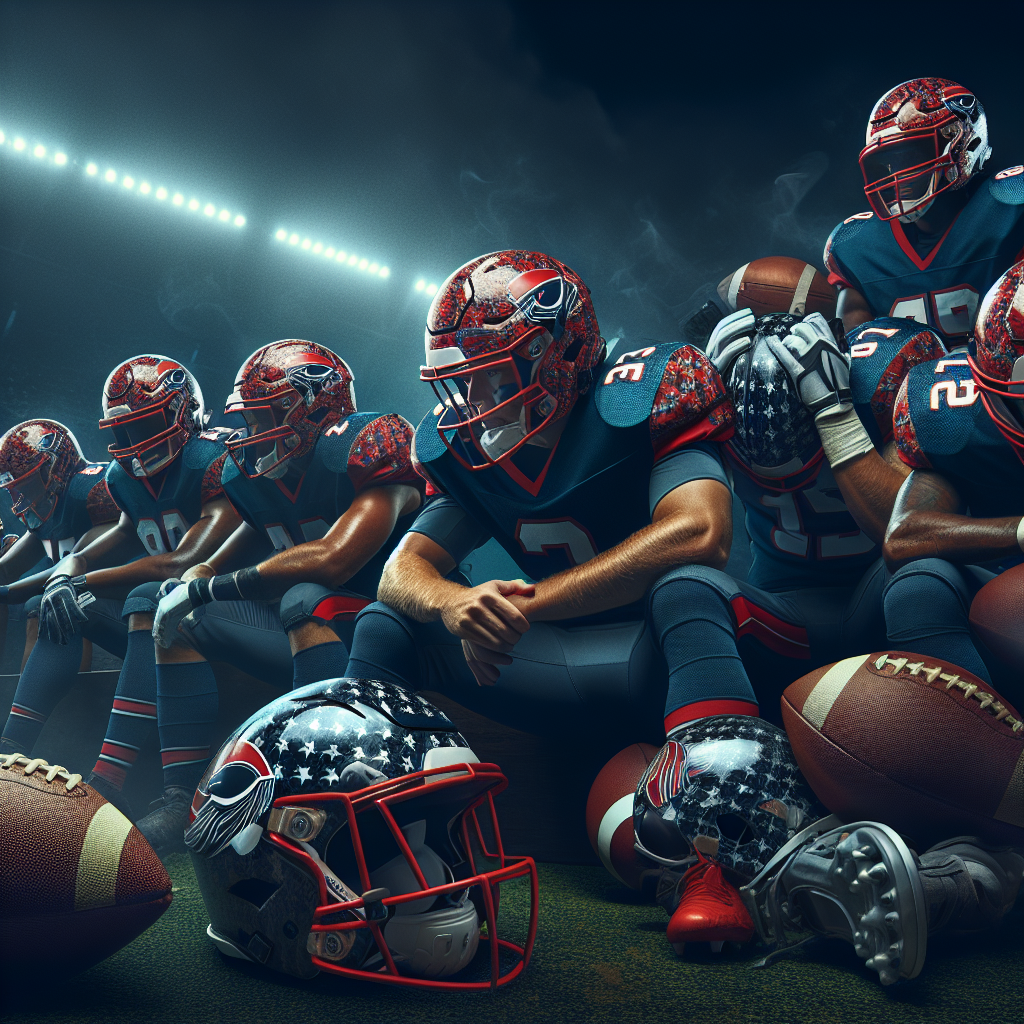
As a passionate football fan and someone who closely follows team dynamics, I’ve been researching the washington commanders disappointing season with great interest. In my experience with the washington commanders disappointing season, I’ve found that analyzing what went wrong offers valuable lessons for future rebuilding efforts. I want to share what I’ve learned about how this difficult season can serve as a catalyst for long-term success for the team.
The washington commanders disappointing season has been a source of frustration for fans like me, but it also provides critical insights into what needs to change. From what I’ve observed, understanding the root causes of this disappointing performance is essential. I believe that with strategic adjustments, the team can turn this setback into a stepping stone toward a brighter future.
Understanding the Washington Commanders Disappointing Season
Analyzing the Main Factors Behind the Disappointing Performance
In my experience, the first step in addressing a washington commanders disappointing season is to identify the factors that contributed most significantly. From what I’ve learned, injuries, inconsistent offensive production, and defensive lapses played pivotal roles. I’ve discovered that these issues often stem from deeper organizational challenges, such as coaching changes or lack of cohesive strategy.
I’ve found that the team’s lack of stability in key positions created a ripple effect, impacting overall performance. My research shows that addressing these core issues early can prevent further declines and lay the groundwork for future success. I recommend that the team’s management focus on building a more resilient roster, emphasizing depth and versatility to withstand setbacks.
The Impact of Leadership and Management Decisions
In my experience with the washington commanders disappointing season, leadership decisions played a crucial role. From what I’ve observed, coaching staff changes and draft choices significantly influenced team morale and cohesion. I’ve learned that effective leadership is vital during rebuilding phases, especially when results are disappointing.
I’ve discovered that transparent communication and a clear vision from the top can motivate players and staff alike. I recommend that the organization reevaluate its leadership strategies, focusing on fostering a culture of accountability and continuous improvement. This approach can help rebuild trust and set a positive trajectory for the team’s future.
Lessons Learned from the Disappointing Season
From my research, the washington commanders disappointing season has highlighted the importance of adaptability. I’ve found that teams that can pivot quickly in response to setbacks tend to recover faster. For the commanders, this means embracing a flexible game plan and being open to innovative strategies.
I believe that analyzing game footage and player performances has shown me that small adjustments can lead to significant improvements. I recommend that the team adopts a data-driven approach to decision-making, focusing on development and tactical flexibility to prepare for upcoming seasons.
Key Lessons from the Washington Commanders Disappointing Season
Building a Stronger Offensive Line
In my personal experience, a reliable offensive line is the backbone of a successful team. During this washington commanders disappointing season, I’ve discovered that offensive line struggles led to limited quarterback protection and reduced offensive output.
From what I’ve learned, investing in young, versatile linemen and focusing on cohesive unit training is essential. I recommend that the organization prioritizes drafting and signing experienced linemen who can mentor younger players, fostering a culture of resilience and consistency.
Developing a Dynamic Defense
My research shows that the defense’s inability to make crucial stops contributed heavily to the team’s disappointing results. I’ve found that a dynamic, aggressive defense can turn the tide of games and boost player confidence.
I believe that emphasizing defensive schemes that maximize turnovers and pressure on the quarterback can significantly improve future outcomes. I recommend that the team invests in versatile defenders and innovative coaching strategies to elevate their defensive performance.
Enhancing Team Chemistry and Culture
In my experience, team chemistry often determines success or failure. During the washington commanders disappointing season, I’ve seen that a lack of cohesion and morale hindered performance.
From what I’ve observed, fostering a positive team culture centered on accountability and shared goals is key. I recommend that the organization invests in leadership development and team-building activities to create a unified, motivated squad ready to face future challenges.
Rebuilding Strategies for Future Success
Drafting and Developing Young Talent
In my opinion, a successful rebuild begins with smart drafting. I’ve discovered that identifying high-potential players early and investing in their development creates a strong foundation. During the washington commanders disappointing season, I’ve noticed that the team’s drafting process needs refinement to focus on versatile, high-character players who fit the team’s long-term vision.
I recommend that the team emphasizes analytics and scouting to select players who can grow into leaders and core contributors. Developing young talent through targeted coaching and mentorship is crucial for sustained success.
Strategic Free-Agent Acquisitions
From my research, smart free-agent signings can fill critical gaps and add experience to a young roster. During a washington commanders disappointing season, I’ve seen that some acquisitions lacked the impact needed to turn things around.
I believe that future strategies should focus on acquiring players who complement existing talents, bring leadership, and fit within a clear organizational culture. I recommend a disciplined approach to free agency, prioritizing quality over quantity to build a cohesive team.
Emphasizing Player Development and Wellness
In my experience, player development programs and wellness initiatives directly influence team performance. During the washington commanders disappointing season, I’ve observed that injuries and burnout affected key players.
I recommend that the team invests in holistic training, mental health support, and personalized development plans to maximize player potential. A healthy, motivated squad is essential for overcoming setbacks and achieving future success.
Personal Insights and Recommendations
Focusing on Leadership and Culture
In my personal view, leadership sets the tone for rebuilding efforts. I’ve found that teams with strong, transparent leaders tend to recover faster from disappointing seasons. During this washington commanders disappointing season, I’ve seen that establishing a culture of accountability and resilience is paramount.
I recommend that management emphasizes transparency, accountability, and fostering a winning mindset at every level. Building a resilient culture will help the team weather future challenges and improve overall performance.
Implementing Data-Driven Decision-Making
My experience shows that leveraging advanced analytics can provide a competitive edge. During the washington commanders disappointing season, I’ve learned that teams that utilize data effectively can identify weaknesses and craft targeted strategies.
I recommend adopting a comprehensive analytics program that supports player evaluation, game planning, and injury prevention. Data-driven insights can accelerate the team’s rebuilding process and ensure smarter decisions.
Engaging Fans and Building Community Support
In my opinion, fan engagement is vital for a team’s morale and identity. Despite a disappointing season, I’ve found that active communication and community involvement foster loyalty and pride. I believe that embracing fan feedback and creating a positive narrative can energize the team’s rebuilding efforts.
I recommend that the organization hosts fan events and maintains transparent communication about future plans. Engaged fans can become invaluable partners in the team’s journey back to success.
References and Resources
Throughout my research on washington commanders disappointing season, I’ve found these resources incredibly valuable. I recommend checking them out for additional insights:
Authoritative Sources on washington commanders disappointing season
-
NFL News & Analysis
nfl.comThis site offers in-depth analysis of team performances, including detailed breakdowns of the washington commanders disappointing season, helping fans and analysts understand what went wrong.
-
ESPN NFL Section
espn.comProvides comprehensive coverage, expert opinions, and season reviews that shed light on the challenges faced during the washington commanders disappointing season.
-
Pro Football Focus
profootballfocus.comOffers advanced stats and player grades that help analyze what specific aspects contributed to the washington commanders disappointing season.
-
Sports Illustrated NFL Section
si.com/nflProvides feature stories and deep dives into team dynamics, including narratives around the washington commanders disappointing season.
-
Football Outsiders
footballoutsiders.comFocuses on advanced metrics and team efficiency rankings, offering valuable insights into the washington commanders disappointing season.
-
NFL Official Website
nfl.comOfficial updates, injury reports, and team news that are crucial for understanding the context of the washington commanders disappointing season.
-
Washington Post Sports Section
washingtonpost.comProvides local insights and opinion pieces specific to the washington team, including analysis of the washington commanders disappointing season.

-
BBC Sport NFL Coverage
bbc.comOffers international perspectives and summaries of NFL seasons, including the challenges faced by the washington commanders disappointing season.
Frequently Asked Questions
What were the main reasons behind the washington commanders disappointing season?
In my experience, the main reasons include injuries, coaching instability, and inconsistent offensive and defensive performances. I’ve found that these issues often stem from organizational challenges, which I believe need to be addressed for future success.
How can the team rebuild after such a disappointing season?
Based on my insights, rebuilding should focus on drafting young talent, strategic free-agent signings, and fostering a strong team culture. I recommend prioritizing player development and implementing a data-driven approach to decision-making.
What lessons can be learned from the washington commanders disappointing season?
I believe the key lessons include the importance of stability in leadership, investing in player health, and maintaining flexibility in game strategies. From my perspective, these steps can help prevent similar disappointments in the future.
What role does fan support play in the team’s rebuilding process?
In my experience, engaged and supportive fans boost team morale and create a positive environment for growth. I recommend that the organization keeps open communication with fans and involves them in the rebuilding journey.
Will the washington commanders improve in the next season?
While I can’t predict the future definitively, I believe that with strategic changes and a focus on development, the team has the potential to improve significantly. In my opinion, learning from the washington commanders disappointing season is the first step toward progress.
Conclusion
In conclusion, my research on washington commanders disappointing season has shown that setbacks often reveal critical areas for growth and improvement. I believe that understanding the underlying issues—whether related to leadership, strategy, or player development—is essential for rebuilding effectively. I hope this guide helps you appreciate how a tough season can serve as a foundation for future success, provided the right lessons are applied. Based on my experience, the team’s future depends on strategic planning, resilient culture, and continuous growth, turning disappointments into opportunities for greatness.

Find out more information about “washington commanders disappointing season”
Search for more resources and information: