Rebranding, Public Relations, and Fan Engagement: The Commanders’ Off-Field Challenges
The Washington Commanders’ journey over the last several years is a case study in the intersection between rebranding, public relations (PR) management, and fan engagement. As the franchise navigated a complex landscape of cultural change, off-field controversies, and evolving expectations, its off-field decisions have become as significant as its on-field performance. This article explores the Commanders’ rebranding efforts, their handling of NFL PR crises, and the fluctuating nature of their fan engagement, providing actionable insights for sports organizations facing similar challenges.

The Context: Why the Commanders’ Off-Field Story Matters
The Washington Commanders, formerly known as the Washington Football Team and before that, the Washington Redskins, are one of the NFL’s most storied franchises. However, their recent history is marked by controversy, organizational upheaval, and a concerted effort to reshape their public image. These off-field challenges have not only affected the team’s reputation but have also influenced fan loyalty, sponsorships, and long-term brand value.
The Rebranding Journey: From Redskins to Commanders
Origins of the Rebranding
The call to rebrand the franchise had simmered for decades, rooted in criticism of the previous team name, which many considered offensive. In 2020, amidst heightened social justice movements and external pressure from sponsors like FedEx and Nike, the team officially retired the “Redskins” name and logo.
The Washington Football Team: A Transitional Identity
For two seasons, the franchise operated as the Washington Football Team, an interim identity that signaled both uncertainty and opportunity. While this period allowed for community input and brand research, it also exposed the organization to mockery and skepticism, highlighting the risks of prolonged rebranding without a clear endpoint.
The Launch of the ‘Commanders’
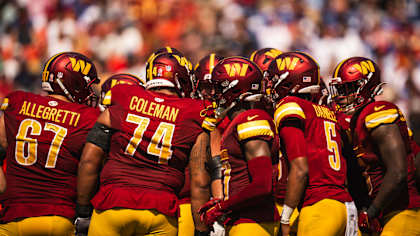
In February 2022, the team unveiled its new name: the Washington Commanders. The rebranding included a new logo, uniforms, and messaging strategy. While the rollout generated significant attention, the response from fans and media was mixed. Some applauded the nod to military themes and regional history, while others criticized the name as generic and uninspired.
Key Takeaways from the Commanders Rebranding
- Stakeholder Pressure Can Accelerate Change: The decisive factor was not just social sentiment but direct action from sponsors and partners.
- Transitional Branding Carries Risks: Temporary identities can erode brand equity if not managed proactively.
- Community Engagement is Essential: Successful rebranding in sports requires authentic dialogue with fans and local communities.
Navigating NFL PR Crises: Lessons from Commanders’ Controversies
Major PR Challenges
- Workplace Misconduct Allegations: Multiple reports and investigations uncovered a culture of harassment and misconduct within the organization, prompting NFL scrutiny and public backlash.
- Ownership Turmoil: The tenure of former owner Dan Snyder was mired in lawsuits, Congressional investigations, and repeated calls for leadership change.
- Sponsorship Fallout: In response to both the team name controversy and internal scandals, several major sponsors publicly distanced themselves from the franchise.
PR Response Strategies
The Commanders’ response to these crises was characterized by a mix of legal defenses, public apologies, and organizational changes, including leadership restructuring and internal reviews. However, critics argued that many responses appeared reactive rather than proactive, undermining the team’s credibility.
Case Study: The NFL’s Independent Investigation
In 2021, the NFL commissioned an independent investigation into workplace culture at the Commanders. The findings led to a $10 million fine and a mandate for organizational reform. Public pressure also contributed to the eventual sale of the franchise to new ownership in 2023.
Best Practices for PR Crisis Management
- Transparent Communication: Timely, honest updates build public trust, especially during ongoing investigations.
- Accountability: Accepting responsibility and outlining clear corrective actions are crucial for reputation recovery.
- Third-Party Oversight: Independent audits or investigations increase stakeholder confidence.
Fan Engagement: Rebuilding Trust and Loyalty
The Impact of Off-Field Issues on Fan Sentiment
Off-field controversies and inconsistent messaging led to declining ticket sales, lower TV ratings, and a vocal online fan base expressing frustration. The Commanders saw one of the NFL’s most significant drops in home attendance between 2015 and 2022.
Efforts to Re-Engage the Community
- Enhanced Game Day Experience: The franchise invested in stadium upgrades, new entertainment options, and local food partnerships.
- Digital Campaigns: Social media initiatives, fan polls, and virtual events aimed to create a sense of inclusion during the rebranding process.
- Alumni Outreach: Bringing back beloved former players helped restore some ties with disillusioned fans.
Case Example: The ‘Fan Ambassador’ Program
In 2021, the Commanders launched a Fan Ambassador Network, inviting supporters to provide feedback on branding, merchandise, and stadium experiences. This initiative increased transparency and allowed fans to feel invested in the team’s new direction, though challenges remained in translating this goodwill into sustained attendance boosts.
Actionable Strategies for Fan Engagement
- Ongoing Dialogue: Establish regular forums for fan input on organizational decisions.
- Authentic Storytelling: Share behind-the-scenes content that connects fans to players and staff.
- Community Investment: Support local causes and visibly contribute to regional development.
The Role of External Factors
The Commanders’ off-field trajectory was heavily influenced by external forces—media scrutiny, sponsor demands, social movements, and NFL governance. These factors illustrate how modern sports franchises must be agile and responsive to forces beyond the field of play.
Key Insights:
- Cultural Shifts Drive Organizational Change: Social justice movements and evolving public sentiment can rapidly alter the business environment for sports brands.
- Corporate Partnerships are Conditional: Sponsorships hinge on reputation management and alignment with partner values.
- League Oversight is Increasing: The NFL’s intervention in franchise operations demonstrates the growing importance of compliance and transparency.
Lessons Learned and Actionable Takeaways
- Prioritize Stakeholder Engagement: Early and meaningful engagement with fans, sponsors, and community leaders is vital during periods of change.
- Develop Clear Crisis Protocols: Proactive PR planning and crisis communication strategies are essential for mitigating reputational damage.
- Embrace Purpose-Driven Branding: Aligning organizational values with community and societal expectations drives long-term loyalty.
- Measure and Respond to Fan Sentiment: Use data-driven tools to monitor fan engagement and adapt strategies accordingly.
Internal Linking Opportunities
- The Evolution of the Commanders Brand
- NFL Crisis Management Best Practices
- Proven Sports Fan Engagement Strategies
Conclusion
The Washington Commanders’ off-field journey highlights the complexities of rebranding, PR crisis management, and fan engagement in modern sports. For organizations navigating similar terrain, the Commanders’ experience underscores the need for transparency, community involvement, and a proactive approach to both brand and reputation management. By learning from their challenges and responses, other franchises can build a resilient, future-ready brand.