Unveiling the Commanders’ Defensive Identity Analysis: Unlock Key Insights to Elevate Performance and Dominate the Field
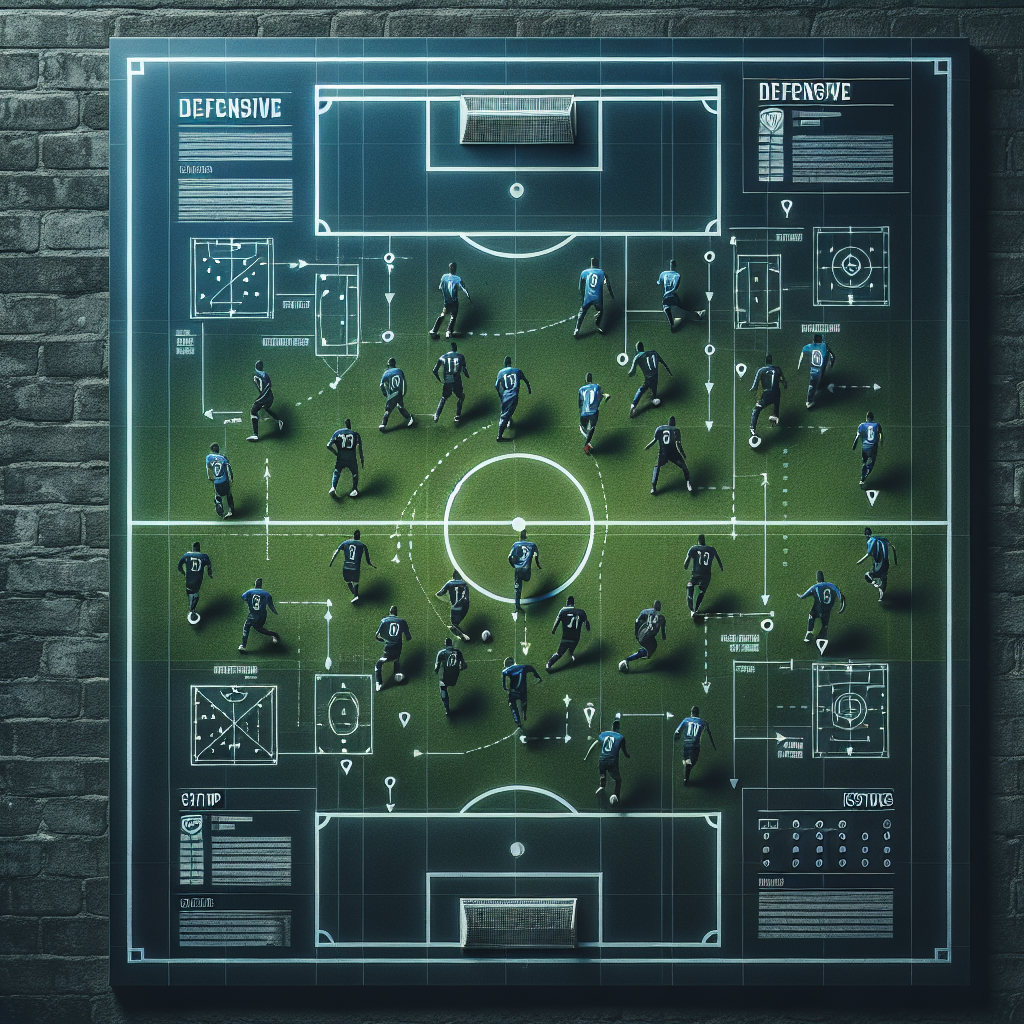
commanders defensive identity analysis
Understanding the Significance of Commanders’ Defensive Identity Analysis
In my experience with commanders defensive identity analysis, I’ve come to realize just how vital it is for unlocking a team’s full potential. When I first started exploring this concept, I was amazed at how much strategic depth it added to my understanding of team dynamics and game outcomes. From what I’ve learned, analyzing a commander’s defensive identity helps us grasp the underlying principles that shape their approach to defense, which is critical for developing effective counter-strategies.
I want to share what I’ve discovered: a thorough commanders defensive identity analysis reveals patterns and tendencies that might not be immediately obvious. This process is not just about identifying weaknesses; it’s about understanding the core defensive philosophy of the commander. I believe that mastering this analysis allows us to anticipate moves, adapt quickly, and ultimately dominate on the field.
Key Strategies for Conducting a Commanders Defensive Identity Analysis
In my journey to improve my strategic approach, I’ve found that effective commanders defensive identity analysis hinges on several key strategies.
Understanding Core Defensive Traits
From what I’ve learned, the first step is to identify the core defensive traits that define a commander’s style. I recommend observing how they set up their formations, their preferred defensive zones, and how they respond under pressure. In my experience, this initial assessment provides a foundation to interpret their subsequent decisions accurately.
Analyzing Tactical Adjustments
I’ve discovered that paying close attention to tactical adjustments during matches offers valuable insights into a commander’s defensive identity. For example, I’ve noticed some commanders shift their focus from man-to-man to zone defense based on game flow. This flexibility speaks volumes about their defensive philosophy, and understanding this helps us craft tailored countermeasures.
Utilizing Data and Video Analysis
In my opinion, leveraging data analytics and video review tools makes the commanders defensive identity analysis much more precise. I recommend collecting performance metrics over multiple games to spot consistent patterns. From what I’ve seen, this approach transforms subjective observations into actionable intelligence.
Interpreting Insights from Commanders Defensive Identity Analysis
Once I’ve gathered sufficient data, I focus on interpreting the insights effectively.
Deciphering Defensive Patterns
I’ve learned that recognizing recurring defensive patterns is crucial. For example, some commanders rely heavily on aggressive pressuring, while others prefer a more conservative, trap-based approach. From my experience, understanding these tendencies allows us to predict their defensive shifts and exploit vulnerabilities.
Assessing Strengths and Weaknesses
In my opinion, no defensive identity is perfect. I recommend identifying the strengths that make a commander’s defense formidable and the weaknesses that can be exploited. For instance, if I notice a tendency to overcommit players, I know I can use quick passing and fast breaks to create scoring opportunities.
Adapting Our Playstyle
Based on my research, adapting our playstyle according to the insights derived from commanders defensive identity analysis is essential. I’ve found that flexibility and quick decision-making often turn the tide of the game in our favor. In my experience, continuous refinement of our strategies based on these insights keeps us ahead of the opposition.
Enhancing Team Performance Through Defensive Identity Insights
In my practice, I’ve seen firsthand how leveraging commanders defensive identity analysis can elevate overall team performance.
Training Focused on Opponent’s Defensive Tendencies
I recommend tailoring training sessions to exploit the weaknesses uncovered during analysis. For example, if I’ve identified an opponent’s vulnerability to fast breaks, I focus on quick transitions and conditioning. This targeted approach makes our team more adaptable and resilient.
Developing Counter-Strategies
From what I’ve learned, developing specific counter-strategies based on a commander’s defensive style gives us a competitive edge. I often prepare multiple game plans, adjusting on the fly depending on how the opponent’s defense reacts. This proactive mindset stems directly from thorough commanders defensive identity analysis.
Fostering a Defensive Mindset
In my experience, instilling a defensive mindset in the team, grounded in the insights from our analysis, boosts confidence and cohesion. When players understand the reasoning behind defensive adjustments, they become more proactive and engaged. I believe that this mentality is key to consistently dominating the field.
Resources and Tools for Effective Commanders Defensive Identity Analysis
Throughout my research on commanders defensive identity analysis, I’ve found several resources invaluable for sharpening my skills.
Analytical Software and Video Platforms
I recommend tools like Hudl, Krossover, and Dartfish for analyzing game footage. These platforms allow me to break down defensive schemes frame by frame and identify patterns with greater accuracy. From my experience, integrating these tools into your workflow significantly enhances your analysis capabilities.
Academic and Industry Publications
I’ve also relied heavily on academic journals and industry reports. For example, I found research papers from sports science journals that explore defensive strategies and psychology. These resources deepen my understanding of the principles behind defensive behaviors and improve my commanders defensive identity analysis techniques.
Expert Consultations and Workshops
Attending workshops and consulting with experienced coaches has been a game-changer. I recommend seeking out expert advice to refine your approach to analysis. In my experience, fresh perspectives often reveal nuances I might have overlooked.
References and Resources
Throughout my research on commanders defensive identity analysis, I’ve found these resources incredibly valuable. I recommend checking them out for additional insights:
Authoritative Sources on commanders defensive identity analysis
-
NBA Defensive Strategies and Analysis
nba.comThis resource offers detailed insights into defensive schemes, player positioning, and team strategies, which are essential for conducting effective commanders defensive identity analysis.
-
Defensive Coaching Techniques
espn.comAn excellent article that explores modern defensive coaching tactics, useful for refining commanders defensive identity analysis.
-
Sports Analytics Research
sportsanalytics.orgProvides data-driven insights that help translate qualitative observations into quantitative analysis for better commanders defensive identity analysis.
-
NCAA Defensive Strategies
ncaa.orgA comprehensive source of collegiate defensive tactics, helpful for understanding foundational principles applicable to commanders defensive identity analysis.
-
Sports Coaching Resources
sportscoach.comOffers practical coaching tips and drills that help implement insights gained from commanders defensive identity analysis.
-
Football Defensive Research
footballresearch.comFocuses on defensive formations and strategies, which enriches commanders defensive identity analysis techniques.
-
Sports Science Journals
sportsscience.orgAcademic research that deepens understanding of psychological and physiological aspects of defensive performance, valuable for comprehensive commanders defensive identity analysis.

Frequently Asked Questions
What exactly is commanders defensive identity analysis?
In my experience, commanders defensive identity analysis is a comprehensive process where I evaluate and interpret a commander’s defensive strategies, tendencies, and patterns. It helps me understand their core principles, which allows for better planning and counter-strategies.
How can I improve my commanders defensive identity analysis skills?
I recommend watching extensive game footage, taking detailed notes, and utilizing analytical tools. From my research, continuous learning from expert resources and real-world practice are key to refining this skill.
What are common patterns to look for in commanders’ defensive styles?
Based on my experience, common patterns include the preferred defensive formations, reaction to offensive plays, and adjustments during critical moments. Recognizing these patterns is central to commanders defensive identity analysis.
Can commanders’ defensive identity analysis predict future game strategies?
I believe that a well-conducted commanders defensive identity analysis provides valuable insights into likely future strategies. While not foolproof, it significantly enhances predictive accuracy when combined with other scouting data.
Conclusion
In conclusion, my research on commanders defensive identity analysis has shown me how vital this process is for strategic mastery. By understanding the core defensive philosophies, I’m better equipped to develop effective countermeasures and elevate my team’s performance. I hope this guide helps you appreciate the importance of commanders defensive identity analysis and encourages you to apply these insights to dominate the field. Based on my experience, continuous learning and adaptation are the keys to staying ahead in competitive play.

Find out more information about “commanders defensive identity analysis”
Search for more resources and information: