Breaking the Cycle: Successful Turnaround Strategies for Troubled NFL Teams
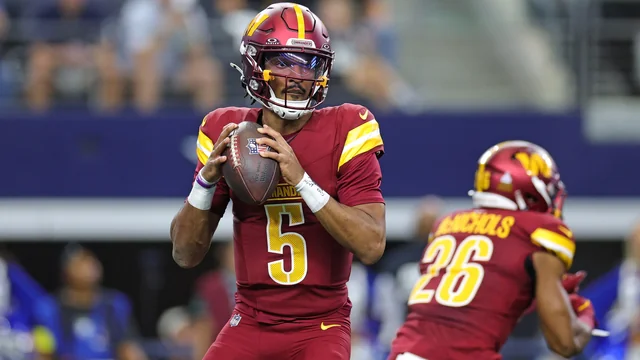
The National Football League is shaped by cycles of triumph and adversity. For teams like the Washington Commanders, breaking free from a pattern of underperformance requires more than just talent—it demands strategic vision, organizational discipline, and a willingness to embrace bold changes. In this comprehensive guide, we examine the most successful NFL team turnaround stories and extract actionable lessons for the Commanders’ leadership as they chart a path forward.

The Anatomy of an NFL Team Turnaround
Every successful rebuild shares common threads, from leadership changes and culture shifts to astute drafting and innovative coaching. Understanding what works—and why—can empower a struggling franchise to set a course for sustained success. This article dives into:
- Case studies of iconic NFL turnarounds
- Key strategies and decision points
- Actionable rebuild tips tailored for the Commanders
Case Study 1: The New England Patriots’ Dynasty Begins (2000–2002)
Situation Before the Turnaround
Prior to 2000, the Patriots were a middling franchise with sporadic playoff appearances and no Super Bowl titles. Internal instability and coaching changes plagued the organization.
Key Moves and Strategies
- Leadership Overhaul: Hiring Bill Belichick as head coach, paired with owner Robert Kraft’s long-term vision, set the tone for cultural change.
- Drafting for Value: Unheralded picks like Tom Brady (6th round) exemplified a focus on value, not hype.
- Culture of Accountability: The “Patriot Way” emphasized discipline, selflessness, and adaptability.
Results and Lessons
Within two years, the Patriots captured their first Super Bowl, launching a dynasty. Their turnaround teaches that clear vision, aligned leadership, and value-driven decisions are non-negotiable for success.
Actionable Takeaways for the Commanders
- Prioritize hiring leadership with a long-term philosophy over quick fixes.
- Draft for system fit and value, not just name recognition.
- Establish a consistent culture of accountability at every level.
Case Study 2: The San Francisco 49ers’ Rapid Rebuild (2017–2021)
Situation Before the Turnaround
The 49ers endured a tumultuous stretch, cycling through head coaches and missing the playoffs for four straight years. A fractured front office stymied progress.
Key Moves and Strategies
- Unified Leadership: The joint hiring of GM John Lynch and head coach Kyle Shanahan, both given six-year contracts, signaled organizational stability.
- Drafting Core Talent: Impact players like Nick Bosa, Deebo Samuel, and Fred Warner formed the backbone of the roster.
- Innovative Schemes: Shanahan’s offensive system maximized the skillsets of both veterans and young players.
Results and Lessons
By 2019, the 49ers reached the Super Bowl, with a roster built through smart drafting and free agency. The franchise’s resurgence illustrates the importance of synergy between front office and coaching staff.
Actionable Takeaways for the Commanders
- Align front office and coaching with shared, long-term objectives.
- Invest heavily in scouting and player development.
- Be patient and deliberate with system implementation—avoid constant resets.
Case Study 3: The Buffalo Bills’ Sustainable Rebuild (2017–Present)
Situation Before the Turnaround
The Bills suffered from the NFL’s longest playoff drought (17 years) due to inconsistent quarterback play and frequent coaching changes.
Key Moves and Strategies
- Quarterback Commitment: Drafting Josh Allen and building the offense around his unique skills.
- Culture Change: Head coach Sean McDermott instilled a player-centric, process-driven culture.
- Smart Cap Management: Shedding bad contracts to create roster flexibility.
Results and Lessons
The Bills have become perennial playoff contenders, proving that aligning coaching, culture, and personnel decisions pays dividends.
Actionable Takeaways for the Commanders
- Identify and fully commit to a franchise quarterback.
- Emphasize a clear, positive organizational culture.
- Maintain salary cap discipline to enable long-term roster building.
Case Study 4: The Detroit Lions’ Cultural Overhaul (2021–Present)
Situation Before the Turnaround
The Lions were mired in a decade-long struggle, with a reputation for losing seasons and a lack of identity.
Key Moves and Strategies
- Culture-First Leadership: Hiring Dan Campbell, a coach who emphasized grit, authenticity, and player empowerment.
- Draft Philosophy: Building through the trenches with picks like Penei Sewell and Aidan Hutchinson.
- Player Buy-In: Developing a team ethos that resonates with both veterans and young players.
Results and Lessons
The Lions have shown noticeable improvement, with a rejuvenated roster and a winning culture that has reignited fan passion.
Actionable Takeaways for the Commanders
- Hire leadership that genuinely connects with players and inspires buy-in.
- Invest in core positions (offensive and defensive lines) as foundational pillars.
- Foster a resilient, united locker room culture.
Key Pillars of an NFL Team Turnaround
While each team’s journey is unique, successful NFL team turnarounds typically revolve around these pillars:
- Visionary Leadership: Owners, GMs, and coaches must share a clear direction and steadfast commitment.
- Drafting and Development: Building through the draft and maximizing player growth is more reliable than relying solely on free agency.
- Strategic Flexibility: Adapting schemes and roster construction to fit evolving strengths and weaknesses.
- Cultural Identity: Establishing a culture that prioritizes accountability, unity, and resilience.
- Patience with Process: Avoiding reactionary decisions and trusting the rebuild blueprint.
Applying NFL Team Turnaround Lessons to the Commanders’ Rebuild Strategies
For the Washington Commanders, the path forward involves learning from these case studies:
- Stabilize Leadership: Prioritize alignment across ownership, front office, and coaching staff.
- Draft with Purpose: Focus on core positions and system fits, leveraging analytics and scouting.
- Commit to a Franchise Quarterback: Invest in development and support with the right offensive scheme.
- Build a Winning Culture: Promote accountability, resilience, and a sense of purpose throughout the organization.
- Manage the Salary Cap Strategically: Create flexibility for future moves, avoiding short-term splurges.
For more on building a modern NFL contender, see our in-depth guide to Commanders rebuild strategies.
Actionable Takeaways for Commanders Leadership
- Establish a clear, multi-year rebuild plan with measurable milestones.
- Communicate the vision consistently to players, staff, and fans.
- Invest in analytics, player development, and continuous improvement.
- Adopt best practices from successful turnarounds, tailored to the unique context of the franchise.
Conclusion
Breaking the cycle of underperformance is possible—if leadership is willing to learn from the NFL’s most successful turnarounds. By focusing on vision, culture, drafting, and patience, the Washington Commanders can lay the foundation for sustained success and renewed fan enthusiasm.
Explore more on NFL team turnaround strategies and actionable insights for rebuilding franchises.