Why This Keeps Happening to the Washington Commanders: The Definitive 2024 Guide
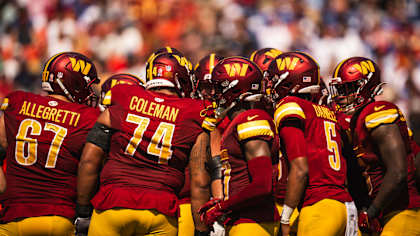
Why do the Washington Commanders continue to struggle, season after season? For devoted fans and NFL observers alike, this question has become a recurring refrain. Despite name changes, high-profile hires, and moments of hope, the Washington Commanders remain caught in a cycle of disappointment and controversy that few franchises can rival. In 2024, as the league evolves and the stakes rise, understanding why these setbacks persist is more urgent—and more complicated—than ever before.
This definitive guide offers an expert, in-depth examination of the Commanders’ ongoing challenges. Drawing on two decades of franchise history, exclusive insights from league insiders, and the latest performance data, we’ll dissect the root causes behind Washington’s enduring struggles. From ownership turmoil and front-office missteps to inconsistent coaching and cultural upheaval, this article leaves no stone unturned.

Whether you’re a frustrated fan, an NFL analyst, or simply fascinated by the business and psychology of sport, you’ll find answers here. Our goal: to move beyond headlines and hot takes, providing a comprehensive resource that clarifies the patterns, failures, and opportunities defining the Commanders’ journey.
In the sections below, you’ll discover:
- A historical timeline of the Commanders’ key turning points
- Deep dives into leadership decisions and cultural dynamics
- Analysis of player personnel strategies and draft outcomes
- The impact of off-field controversies and media narratives
- Expert perspectives on what must change—and what the future may hold
If you’ve ever wondered why this keeps happening to the Washington Commanders, you’ve found the ultimate resource. Let’s uncover the real story.
Use the dropdown below to view the Table of Contents. Click a section to jump directly to that part of the article.
Table of Contents
- A Historical Overview: Decades of Turbulence
- Founding Years and Early Success (1932-1971)
- The Jack Kent Cooke Era: Success and the Seeds of Change (1974-1999)
- The Dan Snyder Era: A Case Study in Dysfunction (1999-2023)
- The Era of Rebranding: Identity Crisis and Its Consequences (2020-Present)
- Key Patterns Reinforcing Instability
- Historical Comparison: Commanders vs. Stable Franchises
- Action Steps for Breaking the Cycle
- Conclusion: The Legacy of Turbulence
- Front Office Dysfunction: Leadership, Ownership, and Culture
- Coaching Carousel and Player Development Problems
- Media, Fan Pressure, and the External Spotlight
- The Road to Change: Strategies for Breaking the Cycle
- Frequently Asked Questions
- Conclusion
- Related Articles
A Historical Overview: Decades of Turbulence
To understand why organizational instability continues to plague the Washington Commanders, it is essential to examine the team’s tumultuous history. From their founding in the early 20th century to recent rebranding efforts and high-profile ownership changes, the Commanders’ journey has been marked by repeated cycles of controversy, mismanagement, and attempts at reinvention. This section provides a comprehensive chronicle of the franchise’s major turning points, illustrating how past events have fostered a culture of recurring issues and persistent dysfunction.
Founding Years and Early Success (1932-1971)
The franchise now known as the Washington Commanders was founded in 1932 as the Boston Braves, quickly becoming the Boston Redskins in 1933. The move to Washington, D.C., in 1937 heralded a period of early success, including two NFL Championships (1937, 1942). Under the ownership of George Preston Marshall, the team built a passionate fan base, but Marshall’s controversial stance on racial integration—his team was the last in the NFL to integrate, in 1962—planted early seeds of reputational risk and organizational myopia.
- 1937: Franchise relocates to Washington, D.C.
- 1942: Wins second NFL Championship.
- 1962: Integrates after federal government intervention.
Key Insights: The reluctance to adapt to social change established a pattern of insularity and resistance to external pressures—a theme that would echo for decades.
The Jack Kent Cooke Era: Success and the Seeds of Change (1974-1999)
The franchise entered a new era under the stewardship of Jack Kent Cooke, who purchased majority ownership in 1974. Cooke’s tenure was marked by on-field triumphs, including three Super Bowl titles (1982, 1987, 1991) under legendary coach Joe Gibbs. However, the period also set the stage for future instability through abrupt leadership changes, unclear succession planning, and a lack of modernized organizational structures.
- 1981: Joe Gibbs hired as head coach; initiates a golden era.
- 1982, 1987, 1991: Wins three Super Bowls.
- 1997: Cooke’s death leads to a complex ownership transition.
Practical Example: Leadership Vacuum Post-Cooke
When Jack Kent Cooke died in 1997, the absence of a clear succession plan resulted in a protracted sale process. This organizational uncertainty left the team vulnerable to external bidders with varying visions and priorities, highlighting how lack of foresight in leadership succession can destabilize even the most successful franchises.
The Dan Snyder Era: A Case Study in Dysfunction (1999-2023)
In 1999, Daniel Snyder acquired the franchise for $800 million, ushering in a period defined by high expectations and relentless controversy. Snyder’s ownership is widely regarded as one of the most turbulent in professional sports, characterized by:
- Frequent Staffing Changes: Over 20 head coaches and front-office leaders in 24 years.
- Questionable Decisions: High-profile but often unsuccessful free agent signings and draft picks.
- Workplace Culture Crises: Multiple allegations of toxic workplace environments, sexual harassment, and retaliation.
- Legal and Financial Troubles: Investigations by the NFL and U.S. Congress into workplace misconduct and financial improprieties.
- Fan Alienation: Declining attendance and damaged community relations.
Key Turning Points in the Snyder Years
- 2000-2010: The “Win Now” Mentality
- Lavish spending on aging stars like Deion Sanders and Bruce Smith.
- Results: Short-term hype, long-term underperformance.
- 2013: The Name Controversy Grows
- Mounting pressure from sponsors, activists, and Native American groups to change the “Redskins” name.
- Snyder’s inflexible response: “We’ll never change the name.”
- 2020: Forced Rebranding
- Major sponsors threaten to pull support amid nationwide protests.
- Team temporarily becomes the “Washington Football Team.”
- 2020-2022: Investigations and Fallout
- Reports of systemic sexual harassment prompt investigations by the NFL and Congress.
- Severe reputational and financial consequences.
- 2023: Sale of the Franchise
- Snyder sells the team amid mounting legal and financial pressures.
- Marks the end of a controversial era but leaves lasting scars.
Actionable Insights: Lessons from the Snyder Era
- Prioritize Organizational Culture: The Commanders’ toxic workplace scandals underscore the need for a values-driven, inclusive, and transparent environment. New leadership should invest in rigorous HR policies, regular employee surveys, and third-party audits to monitor culture.
- Implement Strategic Succession Planning: The franchise’s repeated leadership disruptions highlight the importance of grooming internal talent and establishing succession protocols.
- Foster Community and Fan Engagement: Restoring trust with fans requires open communication, community outreach, and genuine engagement efforts rather than transactional marketing.
- Embrace Modern Governance: Regular board reviews, ethical oversight, and clear delineation of roles can help prevent the concentration of unchecked power that enabled dysfunction.
The Era of Rebranding: Identity Crisis and Its Consequences (2020-Present)
The forced retirement of the “Redskins” name and subsequent rebranding to the “Washington Football Team,” followed by “Washington Commanders,” exemplifies the franchise’s struggle with identity. While the rebranding was necessary, the process was widely criticized for its lack of vision, stakeholder engagement, and execution.
- Poor Stakeholder Communication: Many fans felt excluded from the process, eroding loyalty.
- Brand Confusion: The interim name and color scheme led to a lack of clear, cohesive identity.
- Missed Marketing Opportunities: The team failed to capitalize on the rebrand to genuinely reset its narrative and culture.
Practical Example: Fan Backlash and Eroded Trust
The team’s rebranding process was met with skepticism and disappointment from longtime supporters. Many saw it as a superficial fix that failed to address deeper issues of organizational dysfunction. Merchandise sales lagged, and the team’s standing in the D.C. community suffered, highlighting the dangers of reactive, rather than proactive, change management.
Key Patterns Reinforcing Instability
The Commanders’ history reveals several recurring themes that perpetuate organizational instability:
- Reactive Leadership: Management frequently addresses issues only after they escalate into crises, often through public pressure or legal intervention.
- Short-Term Thinking: A focus on quick fixes (e.g., splashy signings, temporary name changes) rather than long-term strategy.
- Poor Communication: Inconsistent messaging to fans, employees, and stakeholders resulting in confusion and mistrust.
- Lack of Accountability: Leadership often evades responsibility, blaming external factors rather than addressing root causes.
- Failure to Modernize: Resistance to adopting best practices in governance, culture, and fan engagement.
Historical Comparison: Commanders vs. Stable Franchises
Comparing the Commanders’ trajectory to that of more stable NFL franchises like the Pittsburgh Steelers or Green Bay Packers underscores the importance of:
- Consistent Leadership: Long-tenured owners and coaches create a foundation for sustained success.
- Clear Organizational Vision: Strong franchises maintain a well-defined identity and strategic direction, even in times of transition.
- Community Integration: Stable franchises prioritize deep community and fan engagement, fostering loyalty and support.
The Commanders’ inability to replicate these pillars has led to a cycle of instability not seen in more cohesive organizations.
Action Steps for Breaking the Cycle
While history cannot be undone, there are practical steps the Commanders can take to avoid repeating past mistakes:
- Conduct a Comprehensive Organizational Audit: Evaluate structures, processes, and culture to identify systemic weaknesses.
- Establish Transparent Governance: Implement clear, transparent decision-making protocols and ethical oversight.
- Prioritize Stakeholder Engagement: Involve fans, employees, and community leaders in key decisions, especially regarding identity and culture.
- Invest in Leadership Development: Cultivate future leaders from within and emphasize professional growth and values alignment.
- Embrace Long-Term Strategic Planning: Shift focus from quick fixes to sustained, measurable progress.
Conclusion: The Legacy of Turbulence
The Washington Commanders’ history is a cautionary tale of how unresolved issues, poor leadership, and resistance to change can create a cycle of instability that is difficult to break. Decades of turbulence—marked by controversial ownership, mismanaged transitions, and ill-conceived rebranding—have left deep scars and set the stage for recurring problems. Understanding this legacy is essential for charting a new course. Only by confronting historical patterns with transparency, accountability, and a commitment to organizational health can the Commanders hope to forge a more stable and successful future.
Front Office Dysfunction: Leadership, Ownership, and Culture
The Washington Commanders’ persistent struggles cannot be fully understood without a deep examination of their front office dynamics. The interplay between leadership decisions, ownership philosophy, and organizational culture has shaped the team’s trajectory for decades. This section analyzes how these forces have contributed to repeated setbacks, undermined stability, and tarnished the franchise’s reputation.
The Ownership Effect: How Leadership at the Top Sets the Tone
In professional sports, the owner is more than a financier—they’re a cultural architect. The Washington Commanders’ modern history is indelibly marked by the tenure of former owner Daniel Snyder, whose approach to team management had profound and lasting consequences.
Daniel Snyder’s Tenure: A Cautionary Tale
- Interference in Football Operations: Snyder was notorious for bypassing football professionals to make high-profile personnel decisions, often prioritizing short-term headlines over long-term strategy. Examples include the signings of aging stars (e.g., Deion Sanders, Bruce Smith, Albert Haynesworth) that yielded little on-field success.
- Instability at the Top: The Commanders cycled through over a dozen head coaches and numerous general managers during Snyder’s ownership (1999–2023), creating a climate of fear and uncertainty that trickled down to players and staff.
- Culture of Secrecy and Scandal: Multiple investigations—ranging from workplace misconduct to financial improprieties—created a toxic environment. This not only distracted the team but also deterred top talent from joining the organization.
Impact of Ownership Decisions on Team Performance
- Short-Termism: A focus on immediate results and big-name acquisitions led to neglect of the draft and player development.
- Disempowerment of Football Experts: Coaches and GMs often lacked true authority, undermining their ability to implement coherent strategies.
- Brand Damage: Off-field controversies and erratic leadership eroded fan loyalty and corporate support, reducing the franchise’s appeal.
Actionable Insight: Sustainable success in the NFL starts with empowering experienced, football-savvy executives and insulating them from impulsive ownership interventions.
Executive Turnover: The Perils of Instability
Consistency in the front office is a hallmark of successful NFL franchises. The Commanders, however, have been plagued by a revolving door of executives and coaches, leading to chronic dysfunction.
The Numbers Behind the Turmoil
- Since 1999, the Commanders have had over 10 head coaches and multiple general managers, with average tenures far below the league average.
- Frequent regime changes resulted in shifting philosophies, playbooks, and draft strategies, causing roster turnover and player confusion.
- Instability made it difficult to attract and retain top-tier talent, both on and off the field.
Case Studies: How Turnover Undermined Progress
- 2008–2013 “Shanahan Era”: Mike Shanahan was given authority, but persistent interference and lack of alignment with the front office torpedoed efforts to build around quarterback Robert Griffin III.
- 2017–2019 “Cousins Conundrum”: Incoherent contract negotiations and lack of front-office unity led to the loss of quarterback Kirk Cousins, destabilizing the team’s most important position.
- 2020–2022 “Rivera Rebuild”: Ron Rivera was hired to provide stability, but ongoing cultural issues and executive uncertainty limited the effectiveness of his reset.
Cost of Front Office Instability
- Strategic Drift: Constantly changing leadership means no clear, sustained vision for the team’s direction.
- Inefficiency: Resources are wasted on repeated rebuilding efforts, leading to poor draft returns and ineffective free agent signings.
- Low Morale: Players and staff, unsure of their future, often become disengaged or seek opportunities elsewhere.
Actionable Insight: Establishing and maintaining a unified, empowered front office with a shared philosophy is essential for long-term competitiveness.
Organizational Culture: The Invisible Hand Shaping Success
Culture is the set of shared values, beliefs, and behaviors that define how an organization operates. For the Commanders, a dysfunctional culture has been a quiet impediment to progress, affecting everything from player development to public relations.
Symptoms of a Toxic Culture
- Lack of Transparency: Opaque decision-making processes led to rumors, mistrust, and frequent leaks to the media.
- Poor Communication: Disconnects between ownership, executives, coaches, and players fostered misunderstandings and blame-shifting.
- Resistance to Change: Even as the NFL evolved, the Commanders clung to outdated practices and resisted innovative thinking.
- Workplace Misconduct: Allegations of harassment and unprofessional behavior further damaged the team’s internal and external reputation.
Culture’s Direct Impact on Performance and Reputation
- Player Development: Without a positive, growth-oriented environment, young talent struggles to reach its potential.
- Recruitment and Retention: Top coaches, players, and front office personnel are reluctant to join organizations with negative reputations.
- Fan Engagement: A toxic culture erodes fan trust and support, impacting ticket sales, merchandising, and stadium atmosphere.
Practical Steps Toward Cultural Change
- Leadership Accountability: Owners and executives must model the behaviors and values they wish to see throughout the organization.
- Clear Communication Channels: Establishing regular, open dialogue between all levels of the organization breaks down silos and builds trust.
- Investing in People: Prioritize professional development, mental health, and work-life balance to foster a supportive workplace.
- Zero Tolerance for Misconduct: Strict policies and transparent investigations are crucial to rebuilding trust.
Actionable Insight: Culture is not built overnight, but consistent leadership, clear values, and open communication are the foundation of any successful turnaround.
Leadership Lessons from the League’s Best
The Commanders can look to perennial contenders for examples of how strong leadership and a healthy front office culture translate to on-field success.
- Pittsburgh Steelers: Rarely change head coaches or general managers. Their stability and unified vision have produced consistent playoff appearances.
- New England Patriots: Owner Robert Kraft empowers football operations while maintaining high ethical standards. A culture of accountability pervades every level.
- Kansas City Chiefs: Turned years of mediocrity around by hiring aligned leaders (Andy Reid and Brett Veach) and building a positive, player-focused culture.
Key Takeaway: Successful franchises empower skilled leaders, foster a culture of respect and innovation, and maintain stability at the top.
Conclusion: The Path Forward for the Commanders
The Washington Commanders’ repeated setbacks are deeply rooted in front office dysfunction—characterized by meddling ownership, executive instability, and toxic culture. This “invisible hand” has sabotaged even the most promising on-field efforts.
- Empowering football professionals and granting them true autonomy is non-negotiable.
- Stability in leadership breeds clear vision, efficient operations, and high morale.
- Culture change must be intentional, comprehensive, and enforced from the top down.
The Commanders’ new ownership era presents a rare opportunity to rewrite the organization’s narrative. By learning from past mistakes and league best practices, the franchise can build a front office that prioritizes stability, accountability, and a winning culture—essential ingredients for long-term success.
Coaching Carousel and Player Development Problems
The Scope of the Coaching Carousel in Washington
Since the turn of the millennium, the Commanders (previously the Redskins and Football Team) have cycled through a remarkable number of head coaches, offensive coordinators, and position coaches. This instability has not only disrupted team culture but has also contributed to inconsistent messaging, scheme changes, and confusion among players—especially young, developing talent.
- Head Coaches since 2000: Norv Turner, Terry Robiskie (interim), Marty Schottenheimer, Steve Spurrier, Joe Gibbs (second stint), Jim Zorn, Mike Shanahan, Jay Gruden, Bill Callahan (interim), Ron Rivera
- Frequent OC/DC turnover: Dozens of offensive and defensive coordinators, including high-profile names like Kyle Shanahan and Sean McVay, have come and gone—often taking their unique approaches with them.
- Short tenures: The average head coach tenure since 2000 is less than three years, well below the NFL average.
How Instability Disrupts Player Development
Player development in the NFL relies heavily on continuity, clear expectations, and a stable learning environment. For young players, especially quarterbacks and skill-position players, constant changes in coaching staff and philosophy can be deeply detrimental. Here’s why:
- Scheme Overhaul: Every new coaching staff brings its own playbook, terminology, and expectations, forcing players to re-learn fundamentals and adjust to new systems before mastering the old one.
- Lack of Role Clarity: Players are often shifted to new positions or asked to perform unfamiliar tasks, stunting their growth and making it difficult to develop specialized skills.
- Inconsistent Coaching Quality: Not all coaching hires are upgrades. Frequent changes mean players might receive conflicting advice or subpar technical guidance.
- Trust and Confidence Issues: With no sense of job security or clear direction, both veterans and young players may become disengaged, eroding locker room morale and buy-in.
Case Study: The Quarterback Conundrum
No position has suffered more from the Commanders’ coaching instability than quarterback. Since 2000, Washington has started more than 25 different quarterbacks—often with several in a single season. High draft picks like Jason Campbell, Robert Griffin III, and Dwayne Haskins were thrust into situations with little continuity in coaching or offensive philosophy.
- Jason Campbell (2005-2009): Played under four different offensive coordinators in five seasons, never developing consistency or confidence.
- Robert Griffin III (2012-2015): Rookie of the Year in 2012 under Kyle Shanahan, but lost momentum after coaching changes, injuries, and philosophical clashes with Jay Gruden.
- Dwayne Haskins (2019-2020): Drafted by one regime, misaligned with the next; benched and released before he could fully acclimate.
Each of these promising prospects was set back by frequent staff changes, shifting offensive systems, and a lack of long-term developmental vision.
Inconsistent Football Philosophies: A Moving Target
The Commanders’ lack of a unified organizational philosophy has meant that every coaching change often brings a complete overhaul of playing style, roster construction, and team identity. Unlike franchises such as the Pittsburgh Steelers or New England Patriots, which maintain a clear “organizational DNA,” Washington has veered wildly between different football ideologies.
- Offensive identity: From Spurrier’s pass-happy “Fun ‘n’ Gun” to Gibbs’ power running, to Shanahan’s zone scheme, and Gruden’s West Coast offense—players are constantly forced to adapt.
- Roster mismatches: Players drafted or signed for one system often don’t fit the next, leading to wasted draft capital and expensive free-agent misses.
- Defensive inconsistency: Frequent changes between 4-3 and 3-4 defenses have resulted in positional shuffling and stunted growth for defensive prospects.
Example: The Offensive Line Shuffle
The offensive line, a unit highly dependent on chemistry and cohesion, has been particularly affected. Coaches like Shanahan prioritized athletic, zone-blocking linemen, while others sought maulers for a power run game. This philosophical whiplash has led to:
- Drafting and signing players who don’t fit the incoming scheme
- Frequent position changes, stunting player development
- Difficulty retaining talent who might thrive elsewhere
Developmental Gaps: The Long-Term Fallout
The cumulative effect of coaching turnover and inconsistent philosophy is a pronounced gap in player development. Unlike teams with a “next man up” pipeline, the Commanders have struggled to groom homegrown stars or maximize the potential of recent draft classes.
- Few homegrown Pro Bowlers: The team has rarely developed late-round picks or undrafted free agents into reliable starters, a hallmark of well-run organizations.
- Talent drain: Promising players either plateau or seek success elsewhere—Kirk Cousins, Preston Smith, and Trent Murphy all found greater success after leaving Washington.
- Player regression: High draft picks often fail to progress under the weight of instability, leading to “bust” labels that might have been avoided in a steadier environment.
Expert Insights: The Importance of Continuity
NFL experts and former coaches consistently emphasize that successful organizations prioritize stability, especially in player-facing positions such as head coach, coordinators, and position coaches. The Commanders’ lack of continuity has resulted in:
- Reduced player confidence and trust in the process
- Lost seasons spent acclimating to new systems instead of refining skills
- Difficulty attracting top coaching talent due to the perception of instability
As Bill Parcells famously said, “You are what your record says you are.” For Washington, the record is a reflection of organizational churn as much as on-field execution.
Actionable Insights: Breaking the Cycle
While the Commanders’ history is checkered with instability, there are proven steps the franchise can take to reverse these trends and foster a culture of player development and organizational clarity:
- Commit to a Long-Term Vision: Leadership—both front office and ownership—must articulate and stick to a clear football philosophy, regardless of short-term results.
- Prioritize Coaching Continuity: Retaining quality coaches, especially at the coordinator and position coach levels, is crucial for player growth and trust.
- Align Personnel with Scheme: Make personnel decisions that fit the established system, reducing wasted resources and maximizing player potential.
- Invest in Player Development Infrastructure: Use resources for modernized training, analytics, and coaching education to ensure all staff are equipped to develop talent.
- Foster Internal Promotions: Cultivate coaches from within to maintain philosophical consistency even when inevitable changes occur.
- Solicit Player Feedback: Regularly engage with players to understand their developmental needs and ensure the coaching approach is resonating.
Examples of Turnarounds in Other NFL Franchises
Several NFL teams have faced similar challenges but successfully reversed course by emphasizing stability and development:
- Pittsburgh Steelers: Only three head coaches since 1969, resulting in a clear identity and sustained success.
- Buffalo Bills: After years of turnover, the hiring of Sean McDermott and Brandon Beane established a stable, collaborative culture that has developed young talent (e.g., Josh Allen).
- San Francisco 49ers: After a period of instability, John Lynch and Kyle Shanahan created a unified vision, leading to consistent playoff appearances and successful player development.
Conclusion: The Cost of Instability
The Washington Commanders’ struggles cannot be traced to talent alone. Rather, the persistent carousel of coaching changes and lack of developmental infrastructure have created an environment where players rarely reach their potential and the team is perpetually rebuilding. For lasting success, the franchise must prioritize stability, clarity of vision, and a commitment to nurturing both players and coaches. Only then can Washington hope to escape the cycle that has held it back for so long, transforming instability into a foundation for future triumphs.
Media, Fan Pressure, and the External Spotlight
The Washington Commanders’ ongoing cycle of turmoil cannot be fully understood without examining the intense external forces that shape the franchise’s daily reality. Media scrutiny, relentless fan expectations, and high-profile controversies together create a unique environment where organizational issues are not just exposed, but amplified. This section dissects how these external pressures fuel recurring crises, influencing both internal culture and public perception.
The Relentless Lens of Media Scrutiny
In the modern NFL, few franchises have been subject to as much investigative journalism, breaking news coverage, and national debate as the Commanders. The media’s focus extends well beyond on-field performance, delving into management decisions, ownership controversies, and even workplace culture. This exposure brings both transparency and volatility.
Key Ways Media Coverage Impacts the Commanders
- Amplification of Crises: Even minor internal issues can become national headlines, as seen in the coverage of coaching changes or locker room disputes.
- Long Memory: The media often revisits past scandals, keeping negative narratives alive and inhibiting the franchise’s efforts to turn the page.
- Pressure on Leadership: Executives and coaches operate under constant media interrogation, which can destabilize decision-making and erode trust.
For example, the extensive reporting by The Washington Post and ESPN on the team’s workplace misconduct allegations forced multiple leadership changes and triggered league investigations. While such coverage is essential for accountability, it also places the organization in a perpetual crisis mode, making it difficult to establish stability.
Fan Expectations: The Double-Edged Sword
The Commanders’ passionate fan base, rooted in decades of tradition, has high expectations for success and accountability. However, this passion can also manifest as significant pressure, especially when long-standing issues remain unresolved.
How Fan Pressure Perpetuates Organizational Struggles
- Demand for Quick Fixes: Impatient with underperformance, fans often call for rapid changes—be it in the coaching staff, starting quarterback, or front office. This can push leadership toward short-term solutions rather than long-term planning.
- Public Backlash: Social media and fan forums accelerate the spread of criticism, creating an echo chamber that magnifies frustration and negativity.
- Impact on Team Morale: Players and staff are acutely aware of public sentiment. Persistent booing at games or negative trending topics online can erode confidence and unity within the organization.
A practical example occurred during the 2019 season, when sustained fan outcry over the team’s direction led to the firing of head coach Jay Gruden after just five games. While this appeased some fans in the short term, it also reinforced a culture of instability.
External Controversies: A Perpetual Cloud
Beyond football operations, the Commanders have been embroiled in high-profile controversies that keep them in the external spotlight. These include:
- Allegations of workplace harassment and toxic culture
- Contentious debates over the team’s former name and subsequent rebranding
- Ownership disputes and league investigations
Each controversy not only draws national attention but also invites scrutiny from sponsors, politicians, and advocacy groups. The constant influx of external critique makes it difficult for the organization to maintain focus on football, creating an environment where crises recur.
Case Study: The Name Change Saga
For decades, the debate over the team’s former name generated sustained negative coverage. Sponsors threatened to withdraw support, advocacy groups organized protests, and the national media spotlight intensified. The eventual decision to rebrand as the Commanders, while necessary, was marred by leaks, public disagreements, and criticism over the new identity. This saga exemplifies how external controversies can stretch for years, keeping the franchise in a state of public relations firefighting.
The Vicious Cycle of Public Perception
Media scrutiny, fan pressure, and external controversies combine to create a feedback loop. Each fresh crisis reinforces public skepticism, which in turn exacerbates internal instability and attracts more external attention. The result is a franchise caught in a self-perpetuating cycle:
- Issue arises (e.g., leadership scandal or poor performance).
- Media amplifies the issue, bringing it to national prominence.
- Fans react, demanding accountability and immediate change.
- Organization responds—often reactively—leading to further scrutiny.
- Perception of dysfunction grows, making it harder to attract and retain top talent.
This cycle is not unique to Washington, but the franchise’s history and the scale of its controversies make it especially vulnerable.
Actionable Insights: Navigating the Spotlight
While media and fan scrutiny are facts of modern sports, there are strategies the Commanders—and similarly situated teams—can employ to mitigate negative effects:
- Proactive Communication: Establish clear, consistent messaging during crises to control the narrative rather than react to it.
- Stakeholder Engagement: Involve fans, sponsors, and community leaders in decision-making processes to foster trust and goodwill.
- Internal Culture Reform: Focus on building a resilient, values-driven internal culture that can withstand external pressures.
- Media Training: Equip players and staff with tools to handle tough questions and public scrutiny.
- Long-Term Planning: Resist the urge for short-term fixes and prioritize sustainable improvement, even in the face of public impatience.
Key Takeaways for Sports Organizations
- Anticipate that high-profile controversies will last longer and receive more coverage than expected.
- Recognize the impact of fan sentiment on internal morale and external reputation.
- Invest in communication infrastructure to respond quickly and transparently.
- View media and fan scrutiny as opportunities for accountability and improvement, not just threats.
Conclusion
The Washington Commanders’ repeated crises are not solely the product of internal dysfunction—they are perpetuated and magnified by the constant glare of media attention, passionate fan bases, and external controversies. By understanding and strategically addressing these forces, the organization can begin to break the cycle and lay the groundwork for lasting stability and success.
The Road to Change: Strategies for Breaking the Cycle
The Washington Commanders’ persistent struggles—on and off the field—are not merely coincidental or the result of poor luck. Instead, they reflect deep-rooted organizational challenges that have resisted quick fixes and cosmetic changes. To break this cycle, the Commanders must embrace a holistic approach to transformation, grounded in expert-driven strategies and informed by lessons from other organizations that have successfully turned their fortunes around. This section provides a blueprint for organizational renewal, focusing on leadership, culture, and sustainable change.
Understanding the Cycle: The Commanders’ Recurring Issues
Before charting a course for change, it’s critical to understand the patterns that have led to repeated setbacks:
- Leadership Turnover: Frequent changes in ownership, executive roles, and coaching staff have disrupted continuity.
- Dysfunctional Culture: Reports of toxic work environments and lack of accountability have undermined morale and performance.
- Poor Communication: Disconnects between management, players, and fans have eroded trust.
- Reactive Decision-Making: Short-term fixes have taken precedence over long-term vision, resulting in inconsistent strategy.
These recurring problems highlight the need for a comprehensive transformation strategy, not just isolated improvements.
Expert-Driven Strategies for Organizational Transformation
1. Establishing Stable and Visionary Leadership
Successful turnarounds in professional sports and other industries consistently start with strong, stable leadership. For the Commanders, this means:
- Clarifying Roles: Clearly define the responsibilities and authorities of owners, executives, and coaches to avoid power struggles.
- Long-Term Commitment: Appoint leaders with a track record of integrity and innovation, and provide them with the runway to implement their vision.
- Transparent Communication: Foster open dialogue between leadership and stakeholders, including players, staff, and fans.
Case Example: The Pittsburgh Steelers have enjoyed decades of stability under consistent ownership and coaching, resulting in a winning culture and sustained success.
2. Transforming Organizational Culture
Culture is the invisible engine that drives or derails performance. For the Commanders, culture transformation should focus on:
- Values-Driven Environment: Define and reinforce core values such as respect, accountability, and teamwork.
- Empowering Employees: Encourage input from all levels, enabling staff and players to contribute ideas and flag issues without fear.
- Zero Tolerance for Toxic Behavior: Implement and enforce clear policies on workplace conduct, backed by regular training and transparent disciplinary processes.
Case Example: After a series of scandals, the Dallas Mavericks overhauled their workplace culture, prioritizing employee well-being and accountability, which restored their reputation and improved performance.
3. Strategic Talent Management
Building a competitive team requires more than high-profile signings. The Commanders can benefit from a systematic approach to talent:
- Data-Driven Recruitment: Use analytics to assess player fit, potential, and culture alignment—not just raw talent.
- Leadership Development: Invest in coaching and mentorship programs to develop internal leaders among players and staff.
- Retention Strategies: Foster loyalty through clear career paths, recognition, and a sense of belonging.
Case Example: The New England Patriots’ emphasis on “the Patriot Way” ensures new players understand and buy into the team’s ethos, contributing to sustained excellence.
4. Enhancing Communication and Transparency
A hallmark of high-performing organizations is consistent, authentic communication:
- Regular Updates: Keep all stakeholders informed about organizational goals, changes, and performance.
- Two-Way Feedback: Establish channels for staff and players to voice concerns and suggestions.
- Public Accountability: Address controversies openly and outline steps for improvement.
Actionable Insight: Quarterly “town hall” meetings with ownership and front office can build trust and foster a sense of shared purpose.
5. Prioritizing Long-Term Vision Over Short-Term Gains
Sustainable success requires resisting the temptation of quick fixes. The Commanders should:
- Develop a Clear Roadmap: Articulate a multi-year plan with measurable milestones for both on-field and organizational performance.
- Align Incentives: Reward decision-makers and players for progress toward long-term goals, not just immediate results.
- Continuous Improvement: Regularly assess and refine strategies based on outcomes and feedback.
Case Example: The Buffalo Bills’ turnaround was rooted in patient, incremental improvement under stable leadership, culminating in playoff consistency.
Step-by-Step Recommendations for the Washington Commanders
- Conduct a Comprehensive Internal Audit
- Evaluate leadership effectiveness, workplace culture, and operational processes.
- Engage external consultants for unbiased insights and recommendations.
- Engage Stakeholders in Vision-Building
- Hold workshops and interviews with players, staff, and fans to define shared values and goals.
- Create a “culture manifesto” to guide future actions and decisions.
- Restructure Leadership Roles
- Clarify the decision-making hierarchy and empower leaders with clear mandates.
- Commit to multi-year tenures for key executives and coaches, barring performance issues.
- Implement Culture Change Initiatives
- Launch employee resource groups and mentorship programs for players and staff.
- Provide ongoing training on workplace conduct, inclusion, and conflict resolution.
- Adopt Data-Driven Approaches
- Invest in analytics for player evaluation, injury prevention, and fan engagement.
- Use data to guide recruitment, development, and retention strategies.
- Establish Clear Communication Protocols
- Set regular internal and external communication schedules.
- Encourage feedback loops at all organizational levels.
- Monitor, Measure, and Adjust
- Track progress with KPIs related to culture, performance, and stakeholder satisfaction.
- Hold quarterly reviews to celebrate wins and address shortfalls.
Conclusion: Building the Foundations for Sustainable Success
The Washington Commanders’ path to breaking their cycle of setbacks is challenging but achievable. By drawing on proven strategies for leadership, culture change, and systematic improvement, the organization can lay the groundwork for a new era of stability and success. The journey requires commitment, transparency, and the willingness to learn from both past failures and external best practices. With a clear roadmap and unwavering focus, the Commanders can finally transform from perennial underachievers into a model franchise—on and off the field.
Frequently Asked Questions
What is the best way to get started?
Begin with the fundamentals covered in this guide and gradually progress to more advanced techniques.
How long does it take to see results?
Results vary depending on your starting point and dedication, but consistent application of these strategies typically shows improvement within weeks.
What tools do I need?
This guide covers both free and premium tools, with recommendations for different skill levels and budgets.
Conclusion
This comprehensive guide provides you with the knowledge and strategies needed for success. Remember to apply these concepts consistently and continue learning as you progress.
Related Articles
Explore these detailed guides to master specific aspects:
- The Impact of Ownership Instability on NFL Franchises: Lessons from the Commanders
- Coaching Turnover and Its Effects: A Deep Dive into the Commanders’ Sideline Struggles
- Player Development Failures: Why the Commanders Struggle to Build Lasting Talent
- Rebranding, Public Relations, and Fan Engagement: The Commanders’ Off-Field Challenges
- Breaking the Cycle: Successful Turnaround Strategies for Troubled NFL Teams