The Impact of Ownership Instability on NFL Franchises: Lessons from the Commanders
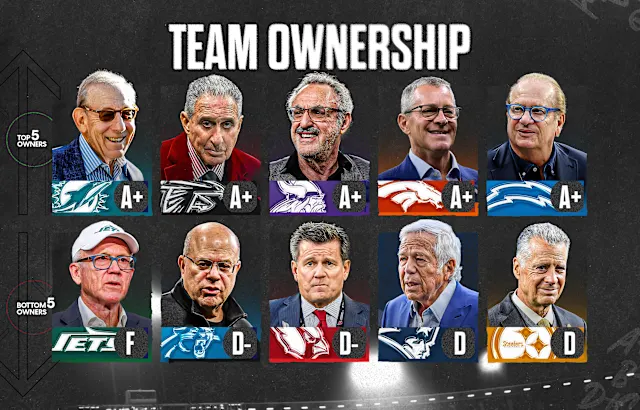
Ownership instability can have profound and lasting effects on the performance, reputation, and long-term success of NFL franchises. The Washington Commanders, formerly known as the Washington Football Team and the Washington Redskins, provide a compelling case study in how frequent ownership and executive changes can undermine a team’s prospects both on and off the field. In this in-depth analysis, we examine the specific consequences of Washington Commanders ownership instability, compare these experiences with those of other NFL franchises facing similar challenges, and offer actionable recommendations for teams and stakeholders seeking to avoid these pitfalls.
 Understanding Ownership Instability in the NFL
Ownership instability refers to frequent or disruptive changes at the highest levels of franchise leadership, including principal owners, managing partners, and top front office executives. Such instability can stem from:
- Frequent sales of the franchise
- Legal or financial controversies
- Internal power struggles or leadership disputes
- Public relations crises affecting ownership credibility
The NFL’s business model places immense value on continuity and vision at the ownership level. When this foundation is shaken, the effects ripple through every facet of a franchise.
The Washington Commanders: A Case Study in Franchise Instability
Decades of Ownership Turbulence
The Washington Commanders’ modern era has been marked by significant ownership and front office instability. Following the death of long-time owner Jack Kent Cooke in 1997, the team was purchased by Dan Snyder in 1999. Snyder’s tenure became synonymous with controversy, frequent leadership changes, and a revolving door of head coaches and executives.
- Turnover at the Top: From 1999 to 2023, the Commanders cycled through over 10 head coaches and numerous general managers and team presidents.
- Public Scandals: The franchise faced multiple investigations into workplace culture, sexual harassment, and financial improprieties, leading to NFL fines and public scrutiny.
- Brand Instability: The team changed its name twice within three seasons, further exacerbating a lack of continuity.
On-Field Performance and Fan Engagement
Ownership instability had a measurable impact on the Commanders’ performance:
- Losing Records: The team made the playoffs just six times in 24 seasons under Snyder, with only two postseason wins.
- Fan Disillusionment: Attendance and local support plummeted, with FedExField routinely ranking among the least-attended stadiums in the league.
- Talent Acquisition Challenges: Top free agents and leading coaches frequently cited the franchise’s instability as a deterrent to joining.
Executive Dysfunction and Organizational Culture
Constant changes in general managers, team presidents, and head coaches led to a patchwork approach to roster building. Disagreements on draft strategy and player development stifled progress, while repeated resets prevented the establishment of a cohesive football identity. The toxic workplace culture exposed by external investigations further eroded internal trust and public image.
Comparative Analysis: Other NFL Franchises Facing Instability
The Commanders are not alone. Several NFL teams have struggled with similar issues, highlighting common patterns and outcomes:
1. Cleveland Browns
- Frequent Ownership and Front Office Changes: Since returning to the NFL in 1999, the Browns have had multiple owners and more than ten head coaches and general managers.
- On-Field Instability: The Browns endured over a decade without a winning season, highlighting the impact of leadership churn.
- Recent Turnaround: Greater stability under the Haslam family and a unified front office has begun to yield results, including playoff appearances.
2. Miami Dolphins
- Ownership Transitions: After the passing of long-time owner Joe Robbie, the Dolphins experienced multiple ownership changes in the 1990s and 2000s.
- Front Office Turnover: Frequent changes in general manager and coaching staff contributed to inconsistent results on the field.
- Rebuilding Through Stability: Recent years have seen a more stable ownership and executive structure, resulting in competitive improvement.
3. Oakland/Las Vegas Raiders
- Legacy Ownership and Transition: The passing of Al Davis led to a transition period under Mark Davis, marked by executive turnover and stadium uncertainties.
- Relocation as a Reset: The move to Las Vegas provided an opportunity to stabilize leadership and rebrand the franchise.
- Mixed Results: While the Raiders have seen periods of progress, inconsistency at the top continues to influence on-field outcomes.
Key Consequences of Franchise Instability
Across these examples, several recurring themes emerge:
- Lack of Strategic Vision: Constant changes in ownership or executives disrupt long-term planning and identity.
- Poor Talent Retention: Players, coaches, and front office staff are less likely to commit to unstable environments.
- Brand Damage: Fan engagement, sponsorships, and media relationships suffer amid controversy and leadership turmoil.
- Financial Underperformance: Franchise value and revenue streams can stagnate or decline when instability breeds uncertainty.
Lessons Learned: The Commanders’ Path Forward
The recent sale of the Commanders to a group led by Josh Harris in 2023 marks a turning point for the franchise. Early indicators suggest a renewed commitment to stability and long-term vision:
- Unified Leadership: Clear roles and responsibilities for ownership and front office positions.
- Transparent Communication: Improved transparency with fans, media, and stakeholders.
- Culture Reset: Investment in workplace culture, diversity, and community engagement.
These changes mirror the successful turnarounds seen with other franchises, suggesting that a stable ownership group can quickly begin to reverse the negative effects of past instability.
Actionable Takeaways for NFL Franchises
- Prioritize Stable Ownership Transitions: When ownership changes are necessary, ensure due diligence and a clear vision for the future. This includes transparent communication with staff, players, and fans.
- Foster Executive Continuity: Minimize turnover in key leadership roles, and promote succession planning within the organization.
- Invest in Organizational Culture: Address internal issues proactively and prioritize building a positive, inclusive environment.
- Engage the Fan Base: Maintain open lines of communication, embrace franchise history, and involve fans in the team’s evolution.
- Leverage Lessons from Peers: Study other franchises’ experiences with instability and recovery to avoid repeating mistakes.
Internal Linking Opportunities
- NFL Franchise Management Best Practices
- The Commanders’ Rebrand: Impact on Fan Engagement
- History of NFL Ownership Changes
Conclusion
The story of the Washington Commanders highlights the dangers of NFL franchise instability and the potential for renewal when strong, stable leadership is restored. By understanding these dynamics and learning from the experiences of teams like the Commanders, Browns, Dolphins, and Raiders, NFL franchises can chart a course toward lasting success both on and off the field.