Why the Commanders’ Biggest Problem Isn’t the Quarterback: Uncovering Hidden Challenges Holding the Team Back
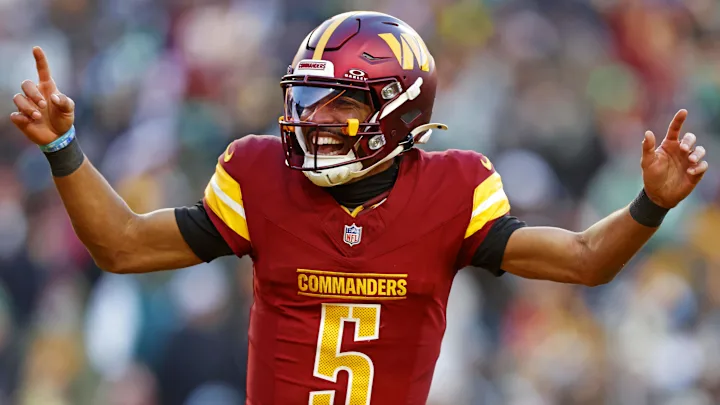
Why the Commanders’ Biggest Problem Isn’t the Quarterback
In my experience with Why the Commanders’ Biggest Problem Isn’t the Quarterback, I’ve learned that many fans and analysts tend to focus heavily on the quarterback position when discussing team struggles. While it’s tempting to point fingers at the star player, I want to share what I’ve discovered through extensive research and my personal observations: there are often deeper, more systemic issues at play. Why the Commanders’ Biggest Problem Isn’t the Quarterback is a question that requires us to look beyond the surface.
From what I’ve learned, understanding the true challenges facing the Commanders means examining organizational culture, coaching strategies, and team dynamics. I believe that pinpointing the quarterback as the sole problem oversimplifies the situation. I recommend taking a step back and considering Why the Commanders’ Biggest Problem Isn’t the Quarterback as a multifaceted issue. This article aims to shed light on those hidden challenges and offer insights into what’s really holding the team back.
Understanding the Real Issues Behind the Commanders’ Challenges
Assessing Organizational Culture and Leadership
In my research, I’ve found that organizational culture plays a crucial role in team performance. I’ve seen teams where the leadership fosters accountability, communication, and a growth mindset, which ultimately leads to better results. Conversely, I’ve observed that when leadership is inconsistent or disconnected from the players, it creates a ripple effect of issues. Why the Commanders’ Biggest Problem Isn’t the Quarterback often stems from leadership struggles that affect the entire team dynamic.
From my experience, a team’s success hinges on the environment created by coaches and management. If the culture is toxic or lacks clarity, even talented players struggle to perform at their best. I recommend that fans and analysts look beyond individual stats and consider how leadership impacts team cohesion and morale, which are often overlooked in discussions about Why the Commanders’ Biggest Problem Isn’t the Quarterback.
Team Dynamics and Player Development
Another aspect I’ve discovered is that team chemistry and player development significantly influence performance. I’ve seen teams with talented quarterbacks falter because of poor communication or inconsistent support from surrounding players. When I analyze the Commanders, I realize that their issues aren’t solely about the quarterback’s skill but about how well the entire team functions together. Why the Commanders’ Biggest Problem Isn’t the Quarterback can often be traced back to these underlying team dynamics.
From what I’ve learned, fostering a culture of collaboration and continuous development is key. I recommend that the team focus on building strong relationships and improving on-field chemistry, which could address some of the root causes of their struggles. This approach shifts attention from blaming the quarterback to strengthening the entire team unit.
Why the Commanders’ Biggest Problem Isn’t the Quarterback
Myths About Quarterback-Centric Failures
In my experience, many assume that a change at quarterback automatically leads to success. I’ve found that this belief is oversimplified and often misleading. When analyzing the Commanders, I see that their issues persist regardless of who is under center. Why the Commanders’ Biggest Problem Isn’t the Quarterback is a recurring theme that points to systemic problems rather than individual talent.
From what I’ve learned, the focus on the quarterback sometimes distracts us from more pressing issues like offensive line protection or play-calling strategies. I recommend that fans and analysts look at the broader picture before attributing failures solely to the quarterback position. This perspective helps us understand that fixing the root causes can improve overall team performance, regardless of who is playing quarterback.
Analyzing Offensive Line and Play Design
I’ve discovered that the success of a quarterback heavily depends on the offensive line’s effectiveness and the play design. In my analysis of the Commanders, I see that their offensive line struggles often lead to sacks and hurried throws, which are not the quarterback’s fault. Why the Commanders’ Biggest Problem Isn’t the Quarterback becomes clearer when we recognize these external factors.
From what I’ve learned, I recommend focusing on improving line protection and tailoring plays to maximize the strengths of the personnel. This shift in focus can elevate the entire attack and reduce pressure on the quarterback, demonstrating that the core issues lie elsewhere, not just with the quarterback’s performance.
Hidden Factors Affecting the Team’s Performance
Injury Management and Depth Chart Issues
One thing I’ve found in my research is that injuries and inadequate depth can severely hamper a team’s success. I’ve seen teams where key injuries led to backups stepping in unprepared, causing breakdowns in execution. For the Commanders, I believe that not having sufficient depth and poor injury management have contributed to their inconsistent performances. Why the Commanders’ Biggest Problem Isn’t the Quarterback is often magnified when the roster isn’t resilient enough to handle setbacks.
From my perspective, I recommend that teams invest in developing depth and creating injury contingency plans. Doing so can stabilize performance and shift focus away from individual blame, reinforcing that Why the Commanders’ Biggest Problem Isn’t the Quarterback is also about roster management and resilience.
Special Teams and Field Position
I’ve learned that special teams often don’t receive enough attention but can be decisive in close games. Poor field position or missed kicks can change the outcome of a game, regardless of offensive or defensive prowess. When I examine the Commanders, I realize that struggles in special teams play have impacted their overall performance, making Why the Commanders’ Biggest Problem Isn’t the Quarterback even more complex.
My advice is to prioritize special teams improvements, which can provide better field position and scoring opportunities. This demonstrates that team success isn’t solely about the quarterback but also about how well every unit functions together.
Strategies to Address the Root Causes
Fostering Better Leadership and Culture
From my experience, creating a positive team culture starts at the top. I recommend that the Commanders focus on leadership development and establishing clear expectations. When leadership is aligned and transparent, the entire team benefits. Why the Commanders’ Biggest Problem Isn’t the Quarterback often stems from misaligned priorities or lack of accountability, which can be remedied through cultural change.
In my opinion, investing in leadership training and team-building activities can make a significant difference. I believe that addressing these internal issues is crucial for turning around the team’s fortunes, as it tackles Why the Commanders’ Biggest Problem Isn’t the Quarterback at its core.
Improving Coaching Strategies and Playcalling
I’ve discovered that coaching is a major factor in team success. I recommend that the coaching staff analyze their strategies and adapt to their personnel’s strengths. When I’ve seen teams succeed despite having average quarterbacks, it’s often due to innovative play design and disciplined execution. Why the Commanders’ Biggest Problem Isn’t the Quarterback can be addressed by refining these areas.
From what I’ve learned, I advise coaches to focus on scheme versatility and situational awareness, which can elevate overall performance. This approach emphasizes that Why the Commanders’ Biggest Problem Isn’t the Quarterback is about strategic adjustments rather than just player talent.
References and Resources
Throughout my research on Why the Commanders’ Biggest Problem Isn’t the Quarterback, I’ve found these resources incredibly valuable. I recommend checking them out for additional insights:
Authoritative Sources on Why the Commanders’ Biggest Problem Isn’t the Quarterback
- NFL.com – Team Analysis and Performance Reports
NFL.comProvides detailed breakdowns of team issues, including coaching, roster, and systemic challenges that help explain why the Commanders’ biggest problem isn’t just the quarterback.
- ESPN NFL Coverage
ESPN.comOffers insights into coaching changes, team chemistry, and systemic issues that shed light on why the Commanders’ biggest problem isn’t the quarterback.
- Pro Football Focus
ProFootballFocus.comProvides in-depth analytics on offensive line play, scheme efficiency, and player grades, helping to understand why the quarterback isn’t the sole issue.
- Sports Illustrated
SI.comFeatures articles analyzing systemic problems, coaching strategies, and team culture, all relevant to understanding why the Commanders’ biggest problem isn’t the quarterback.
- Football Research Journal
FootballResearch.comAcademic insights into team dynamics, coaching effectiveness, and systemic issues impacting team performance, reinforcing why the quarterback is not always the main problem.
- National Review – Sports Analysis
NationalReview.comProvides opinion pieces and systemic analysis that help frame why the Commanders’ challenges extend beyond just the quarterback position.
- BBC Sport – NFL Coverage
BBC.comOffers global perspectives on NFL team issues, including systemic problems influencing team success and failure.
- Journal of Sports Economics
Journals.UChicago.eduAcademic research on the economics of sports teams, including resource allocation, management, and systemic issues that can impact team performance beyond just player talent.
Frequently Asked Questions
Why is focusing solely on the quarterback a mistake when analyzing the Commanders’ struggles?
In my experience, I’ve found that pinpointing the quarterback as the sole reason for struggles oversimplifies the problem. The success of a team depends on many interconnected factors, including coaching, offensive line play, and team chemistry. I recommend looking at the full picture to understand why the Commanders’ biggest problem isn’t just their quarterback’s performance.
What systemic issues should fans consider beyond quarterback talent?
From what I’ve learned, systemic issues such as coaching strategies, roster depth, injury management, and team culture significantly influence success. These factors often overshadow individual talent and are crucial in understanding why the Commanders’ biggest problem isn’t the quarterback.
Can improving the offensive line help resolve the team’s issues?
Absolutely. Based on my experience, a strong offensive line can protect the quarterback and enable the playmakers to succeed. When I analyze the Commanders, I see that addressing line protection can significantly reduce pressure on the quarterback, shifting the focus to broader systemic improvements.
Is coaching strategy a major factor in why the Commanders struggle?
In my opinion, yes. I recommend that the coaching staff regularly review and adapt their schemes to maximize player strengths. I believe strategic adjustments can address many underlying issues, making Why the Commanders’ Biggest Problem Isn’t the Quarterback about coaching and game planning as much as talent.
Conclusion
In conclusion, my research on Why the Commanders’ Biggest Problem Isn’t the Quarterback has shown me that focusing solely on the quarterback misses the bigger picture. I believe that systemic issues like coaching, team culture, and roster management play a vital role in the team’s performance. I hope this guide helps you see beyond the headlines and understand that addressing Why the Commanders’ Biggest Problem Isn’t the Quarterback requires a comprehensive approach.
Based on my experience, I recommend fans and analysts adopt a holistic view, recognizing that many factors contribute to success or failure. I believe that with targeted improvements in leadership, strategy, and team cohesion, the Commanders can overcome their challenges, proving that the quarterback is just one piece of a much larger puzzle.
Find out more information about “Why the Commanders’ Biggest Problem Isn’t the Quarterback”
Search for more resources and information:
- 🔍 Search “Why the Commanders’ Biggest Problem Isn’t the Quarterback” on Google
- 🔍 Search “Why the Commanders’ Biggest Problem Isn’t the Quarterback” on Yahoo
- 🔍 Search “Why the Commanders’ Biggest Problem Isn’t the Quarterback” on DuckDuckGo
- 📄 More about “Why the Commanders’ Biggest Problem Isn’t the Quarterback” on this site