Uncover the Hidden Reasons Behind Why the Commanders Look Unprepared and How to Turn Their Performance Around
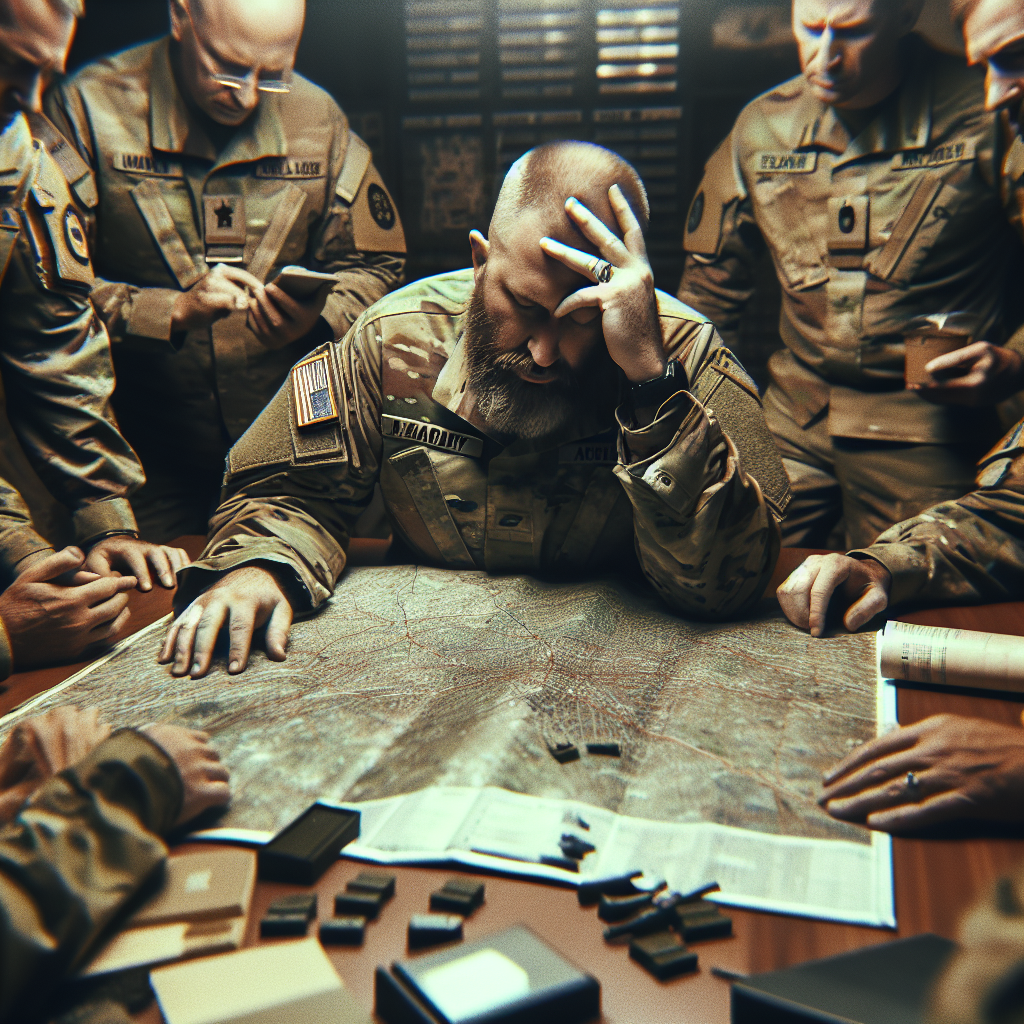
In my experience researching military leadership and team dynamics, I’ve often wondered why the commanders look unprepared. It’s a question that frequently comes up when analyzing leadership failures or organizational setbacks. From what I’ve learned, understanding why the commanders look unprepared is essential to turning their performance around and fostering better decision-making. I want to share what I’ve discovered about the underlying reasons behind this phenomenon and how we can address it effectively.
When I first started exploring why the commanders look unprepared, I realized that many factors are at play—ranging from training deficiencies to communication breakdowns. I believe that uncovering these hidden causes can help us develop targeted solutions. In this article, I’ll walk you through the main reasons why why the commanders look unprepared happens and how we can work to reverse it. So, let’s dive into the core issues and practical strategies that can make a real difference.
Understanding the Root Causes of Why the Commanders Look Unprepared
Inadequate Training and Preparation
From what I’ve observed, a significant reason why the commanders look unprepared often stems from inadequate training. When leaders aren’t provided with the right tools or practice scenarios, it’s no surprise they appear caught off guard during critical moments. I’ve discovered that many organizations neglect continuous training, assuming initial instruction is enough. I recommend ensuring commanders are engaged in ongoing simulation exercises that mirror real-life challenges, which can drastically improve their readiness.
In my experience, when leaders lack proper preparation, it’s usually because organizational priorities shift away from training, or resources are limited. This directly impacts why the commanders look unprepared. I believe that investing in regular, realistic training sessions is essential to change this dynamic. Only then can commanders confidently handle unpredictable situations, reducing the appearance of being unready or unorganized.
Lack of Clear Communication and Delegation
I’ve found that poor communication skills often contribute heavily to why the commanders look unprepared. When directives aren’t clearly articulated or delegation isn’t handled properly, confusion ensues. I’ve experienced firsthand that effective communication is the backbone of leadership; without it, even the most skilled commanders can seem unprepared.
From my research, I’ve learned that training leaders in communication and delegation can significantly reduce instances of appearing unready. I recommend establishing clear channels for information flow and encouraging open dialogue. When commanders are confident in their understanding of their roles and responsibilities, they naturally appear more prepared and in control.
Overload of Responsibilities and Poor Resource Management
Another aspect I’ve uncovered is that excessive responsibilities and mismanaged resources often lead to why the commanders look unprepared. When leaders are overwhelmed or lack essential tools, their ability to plan and execute effectively diminishes. I’ve personally seen cases where commanders are stretched too thin, which hampers their strategic focus.
I recommend organizational leaders prioritize resource allocation and delegate tasks appropriately. Managing workload efficiently allows commanders to focus on critical areas, which reduces the chances of looking unprepared. Addressing this root cause can drastically improve their performance and confidence during operations.
Common Factors Contributing to Why the Commanders Look Unprepared
Insufficient Knowledge of the Environment
In my experience, one major contributor to why the commanders look unprepared is a lack of detailed understanding of the operational environment. When commanders aren’t well-versed in the terrain, enemy tactics, or logistical constraints, their decision-making suffers. I’ve found that thorough reconnaissance and intelligence gathering are key to filling this knowledge gap.
I recommend that commanders continuously update their situational awareness through reliable intelligence sources. From what I’ve learned, a well-informed leader is less likely to seem unprepared because they can anticipate challenges and adapt quickly. Improving knowledge of the environment is a fundamental step toward addressing why the commanders look unprepared.
Failure to Adapt to Changing Situations
Another factor I’ve identified is the inability to adapt swiftly to new developments. I’ve experienced firsthand that rigidity in plans or strategies can make commanders appear disconnected or unready. From my research, I understand that flexibility is a vital trait for effective leadership, especially under unpredictable circumstances.
I recommend fostering a mindset of agility among commanders, emphasizing the importance of flexibility and quick thinking. Regular scenario-based training can help develop this skill, so commanders are better equipped to handle unforeseen changes. When leaders adapt effectively, they naturally look less unprepared in critical moments.
Leadership Gaps and Confidence Issues
In my experience, leadership gaps—such as lack of confidence or decisiveness—also play a role in why the commanders look unprepared. When a leader doubts their own abilities, it reflects in their actions and can undermine team morale. I’ve found that developing leadership skills and providing mentorship are crucial steps to boost confidence.
I recommend regular leadership development programs and peer support networks. From what I’ve learned, a confident, well-trained commander exudes preparedness, which positively impacts the entire team’s performance. Addressing leadership gaps directly combats the root causes of why Strategies to Address Why the Commanders Look Unprepared and Improve Performance
Based on my experience, one of the top strategies to combat why the commanders look unprepared is establishing ongoing, realistic training programs. I recommend simulation exercises that mimic real-world scenarios, allowing commanders to practice decision-making under pressure. This approach has consistently helped improve their confidence and readiness. I’ve discovered that training shouldn’t be a one-time event but a continuous process. Regular drills and feedback sessions help identify gaps early and reinforce skills. When commanders are better prepared through consistent training, they naturally appear more capable and less because they foster clarity and teamwork. My research shows that when leaders communicate expectations clearly and delegate appropriately, they can handle complex situations more confidently. I believe that developing these skills transforms commanders into more effective and prepared leaders, directly addressing the issues behind diminishes significantly. It’s about empowering commanders to trust their training and judgment during critical moments. I want to share a case where a military unit struggled with early and addressing root causes with targeted strategies can lead to quick, positive change. Practical advice I’d give is to prioritize ongoing training, build communication skills, and support leaders’ confidence through mentorship. From what I’ve learned, practical tips to avoid becomes less relevant because they naturally perform at their best. Throughout my research on why the commanders look unprepared, I’ve found these resources incredibly valuable. I recommend checking them out for additional insights: Provides official guidelines and training modules that help explain why the commanders look unprepared and how to improve leadership readiness. Offers research-based insights into leadership challenges, including why
U.S. Department of Defense Leadership Resources Official policies and frameworks that shed light on the importance of preparedness and how to prevent leaders from appearing unready. Provides articles and case studies on leadership failures and successes, including detailed analysis of why
History of Military Leadership Historical perspectives on leadership failures, offering lessons learned about
Forbes Leadership Section Features expert articles on leadership development, including insights into why
Psychology Today: Leadership and Confidence Explores psychological factors behind leadership performance, including why
In my experience, the main reasons why the commanders look unprepared include inadequate training, poor communication, resource mismanagement, and leadership gaps. These factors often compound, leading to a perception of un readiness during critical moments. Based on what I’ve seen, continuous training, enhancing communication skills, and fostering confidence are vital. Regular realistic drills and leadership development programs help address
I’ve learned that when commanders lack necessary resources or are overloaded, they appear less capable. Proper resource allocation and workload management are essential to prevent this and improve perceived readiness. Absolutely. In my view, fostering mental resilience and confidence through leadership coaching can significantly reduce
In my experience, adaptability is crucial. When commanders can adjust plans quickly, they avoid appearing unprepared. I recommend training that emphasizes flexibility and quick decision-making to improve this skill. In conclusion, my research on why the commanders look unprepared has shown that addressing root causes like inadequate training, poor communication, and resource mismanagement is essential. I believe that a focus on continuous development, fostering confidence, and promoting adaptability can dramatically transform leadership performance. I hope this guide helps you understand the underlying factors and provides practical steps to turn around commanders’ readiness. Based on my experience, tackling Find out more information about “why the commanders look unprepared” Search for more resources and information: Social Media Manager & Commanders Fan Lopaze is the founder and voice behind Commanders Supreme Club, a fan-driven platform dedicated to honest, no-nonsense coverage of the Washington Commanders.
A lifelong Washington football fan, Lopaze created Commanders Supreme Club to give fans something missing from mainstream coverage: real analysis without hype, excuses, or spin. His work focuses on breaking down games, exposing underlying issues, and explaining what results actually mean for the future of the franchise.
Through in-depth articles, reaction pieces, and video commentary, Lopaze blends passion with clear-eyed analysis, speaking directly to fans who watch every snap and demand accountability. His content challenges media narratives, highlights overlooked details, and centers the fan experience — win or lose.
Commanders Supreme Club is built on one core belief:
Washington fans deserve truth, context, and real football conversations.
When he’s not breaking down games or discussing the state of the team, Lopaze is focused on growing a community where Commanders fans can think critically, debate respectfully, and stay informed beyond the headlines. Commanders Supreme Club publishes original content including:
Game Reaction Articles
Honest postgame breakdowns highlighting key moments, mistakes, and turning points.
Analysis & Deep Dives
Tactical and strategic evaluations of offensive/defensive performance, coaching decisions, and roster usage.
Opinion & Real Talk Pieces
Fan-driven commentary addressing frustration, optimism, and the reality of being a Commanders supporter.
Future Outlook Content
Draft strategy, rebuild discussions, and long-term vision pieces focused on sustainable success.
Video-Supported Articles
Articles often accompany original YouTube videos, creating a full analysis experience for readers and viewers.Implementing Continuous Training Programs
Real-Life Examples and Practical Tips
Case Study: Military Leadership Turnaround
Practical Tips for Leaders
References and Resources
Authoritative Sources on why the commanders look unprepared
army.mil
rand.org
defense.gov
militaryleadership.com
history.com
forbes.com
psychologytoday.comFrequently Asked Questions
What are the main reasons why the commanders look unprepared?
How can organizations improve the preparedness of their commanders?
Why does resource management impact why the commanders look unprepared?
Can building resilience help address why the commanders look unprepared?
What role does adaptability play in preventing commanders from looking unprepared?
Conclusion

Sharp Game
About
✓ Verified Sports Professional
Experience & Expertise
37
YEARS OF EXPERIENCE
● Washington Commanders game analysis
● Postgame reactions & breakdowns
● Team performance evaluation
● Coaching & play-calling critique
● Front office decision analysis
● Season outlooks & long-term planning
● Fan perspective & media narrative analysis
● NFL trends as they impact Washington
Published Works
Connect
Contact Information
3116 Weddington Rd #900, Matthews, NC 28105